

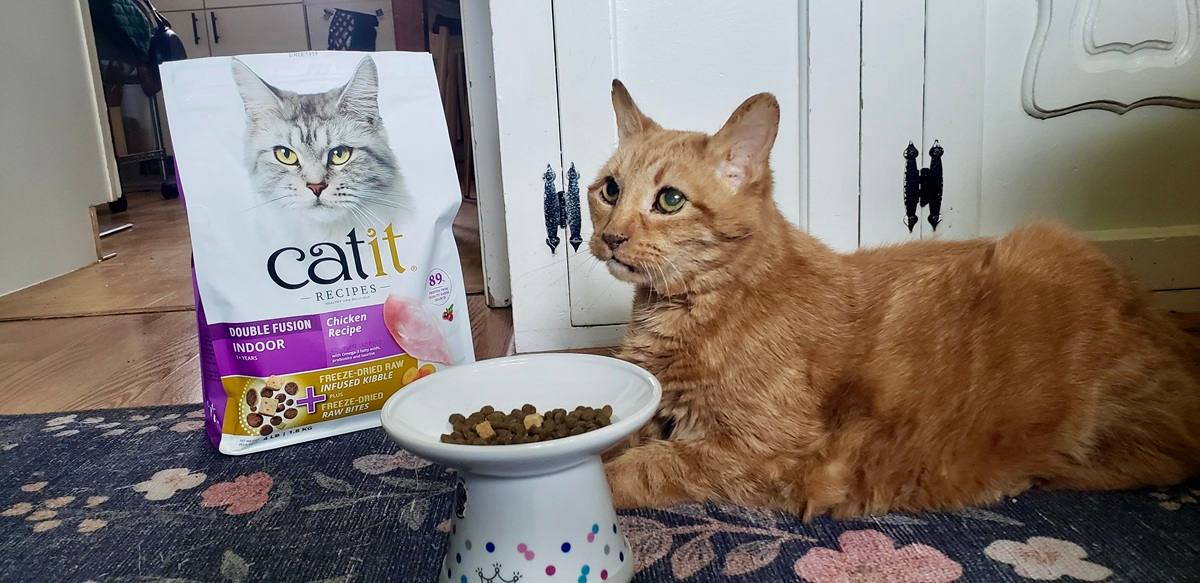
The Importance of Cat food relates directly to the long-term health, vitality, and comfort of cats at every stage of life. Cats are obligate carnivores, which means their bodies are biologically designed to thrive on nutrients found primarily in animal proteins. Feeding a cat without understanding these biological requirements can lead to nutritional deficiencies, digestive complications, obesity, or organ strain over time. Choosing the right cat food requires attention to nutrient balance, ingredient sourcing, age and activity level, and how well the diet supports natural feline physiology. When cat owners understand what their pets truly need, they are able to create a lifestyle and feeding plan that supports both physical well-being and emotional satisfaction.
Understanding Feline Nutritional Biology
Cats process nutrients differently from humans and even differently from many other pets. Their digestive systems are highly efficient at converting animal protein into usable energy. Unlike omnivores, cats are not naturally equipped to break down large amounts of plant-based ingredients. This makes nutritional precision essential.
Core Nutrients Cats Require
- Animal Protein: Supports muscle maintenance, immune function, and tissue repair.
- Taurine: An essential amino acid that cats cannot produce on their own, necessary for heart health, vision, and reproductive function.
- Healthy Fats: Provide energy, help maintain skin integrity, and support coat quality.
- Vitamins and Minerals: Support bone strength, metabolic processes, and enzyme function.
- Moisture: Cats naturally consume water through food, so diet moisture levels influence hydration.
If any of these nutrients are lacking, even in small amounts, the result can be significant health complications such as heart disease, impaired vision, or kidney stress.
Protein as the Foundation of Cat Food
Cats require a diet rich in high-quality protein. The quality of protein determines digestibility and usable nutrient value. Not all proteins are equal, and cats benefit most from complete amino acid profiles found in animal-based sources.
Why Protein Quality Matters
- Proteins from meat, poultry, and fish provide full amino acid profiles.
- Plant proteins often lack essential amino acids and require supplementation.
- Low-quality proteins may be harder for the body to use, leading to digestive strain.
Cats that consume inadequate protein may experience muscle loss, decreased immune response, slow healing, and reduced energy.
The Role of Fats in a Cat’s Diet
Fats serve as concentrated sources of energy for cats. They also contribute to skin hydration, coat shine, and temperature regulation. Cats naturally prefer foods with higher fat content, which helps stimulate appetite and flavor enjoyment.
Signs of Proper Fat Intake
- Smooth, glossy fur
- Healthy skin without flaking
- Consistent energy levels
Insufficient or poor-quality fats can lead to dull coats, dry skin, and decreased appetite.
Hydration and the Moisture Factor
Cats evolved from desert-dwelling ancestors, which means they naturally drink less water and rely on their food for hydration. Diets that are too dry can place stress on the kidneys and urinary tract.
Hydration Support Techniques
- Incorporate wet food daily to support moisture intake.
- Offer fresh water in multiple locations around the home.
- Use shallow bowls to prevent whisker fatigue, which may discourage drinking.
Hydration plays a key role in preventing urinary crystals, kidney issues, and constipation.
Understanding Life Stage Feeding
Feeding requirements change as a cat grows, matures, and ages. Nutritional formulas should match the specific developmental stage.
Kittens
- Require calorie-dense foods
- Need high protein for growth and muscle development
- Benefit from DHA for brain and vision support
Adult Cats
- Need balanced maintenance diets
- Require portion control and monitored calorie intake
- Benefit from steady protein and fat ratios
Senior Cats
- May require easier-to-digest protein sources
- Benefit from joint support nutrients such as glucosamine
- Often need diets that support kidney health
Feeding the wrong life stage food can cause weight imbalance or nutritional deficiency.
Indoor vs Outdoor Cat Diet Considerations
Lifestyle dramatically influences energy expenditure and nutritional needs.
Indoor Cats
- Typically burn fewer calories
- May require high-fiber or portion-controlled meals to prevent obesity
- Need enrichment to stimulate natural hunting instincts
Outdoor Cats
- Burn more energy due to climbing, running, and temperature shifts
- Require higher calorie and protein intake to maintain muscle and body heat
Recognizing activity level helps prevent malnutrition or excess weight gain.
Common Dietary Mistakes Owners Make
Many well-meaning cat owners accidentally make choices that impact long-term health. Understanding mistakes allows caregivers to avoid preventable issues.
Mistake 1: Feeding Human Food as a Main Diet
Human food doesn’t provide the nutrients cats require and can introduce harmful ingredients.
Mistake 2: Free Feeding Without Portion Control
Leaving food available at all times often leads to weight gain and reduced metabolic efficiency.
Mistake 3: Using Food as the Only Form of Reward
If food becomes the primary comfort source, overeating may follow.
Mistake 4: Switching Brands Too Frequently
Sudden changes can upset digestion and cause stress.
Cats thrive on consistency paired with thoughtful nutrition management.
Recognizing Signs of a Healthy Diet
A good feeding plan shows visible results.
Positive Physical Indicators
- Steady weight within normal range
- Strong, lean muscle tone
- Bright eyes and alert expression
- Clean ears and healthy gums
- Soft, shiny coat
Behavioral Indicators
- Stable energy throughout the day
- Calm temperament without anxiety-driven eating
- Consistent litter box habits
When diet supports both physical and emotional well-being, cats show balance and confidence.
Supporting Emotional Health Through Feeding
Feeding is not just physical nourishment; it is a bonding activity. Cats experience comfort, trust, and routine through feeding rituals.
Feeding for Emotional Security
- Feed in a consistent location
- Maintain predictable meal times
- Use a calm environment free from stress during feeding
Cats feel safer when their sensory environment is respected.
Enrichment Strategies That Support Natural Eating Behaviors
Cats are natural hunters. In the wild, they would stalk, chase, and work for their meals. Replicating this behavior encourages mental stimulation and prevents boredom.
Enrichment Tools
- Puzzle feeders
- Slow feeder bowls
- Treat balls
- Hide-and-seek feeding stations
These approaches support confidence, problem-solving, and emotional engagement.
When to Consult a Veterinarian About Diet
Any change in appetite, weight, digestion, or coat quality may indicate a nutritional problem or health concern. A veterinarian can help determine whether diet modification, medical intervention, or specialized nutrition is needed.
Situations That Require Professional Input
- Sudden weight loss or gain
- Chronic vomiting or diarrhea
- Frequent urinary issues
- Increased thirst or lethargy
- Loss of muscle tone
Regular checkups ensure the diet continues to meet evolving needs.
FAQs
How can I transition my cat to a new food safely?
Transition slowly over 7 to 10 days. Start by mixing a small portion of the new food with the old, gradually increasing the new amount each day. This helps prevent digestive upset and encourages acceptance.
Is grain-free cat food always the best choice?
Not always. Cats need animal protein, but some grains can be beneficial when used in balanced amounts. Focus on food that prioritizes animal protein and avoids excessive fillers rather than exclusively choosing grain-free options.
How do I know if my cat is overweight?
Check for a visible waist when viewed from above and feel for the ribs under a thin layer of fat. If the ribs are hard to locate or the belly appears rounded, weight adjustment may be necessary.
Do cats need variety in their diet?
Cats benefit from consistent diets, but limited rotation within a high-quality category can prevent picky eating and reduce the risk of nutrient imbalance. Any rotation should be gradual.
Can hydration come only from food?
Food contributes significantly to hydration, especially wet food. However, clean water should always be available. Some cats prefer fountains or wide ceramic bowls to encourage drinking.
