

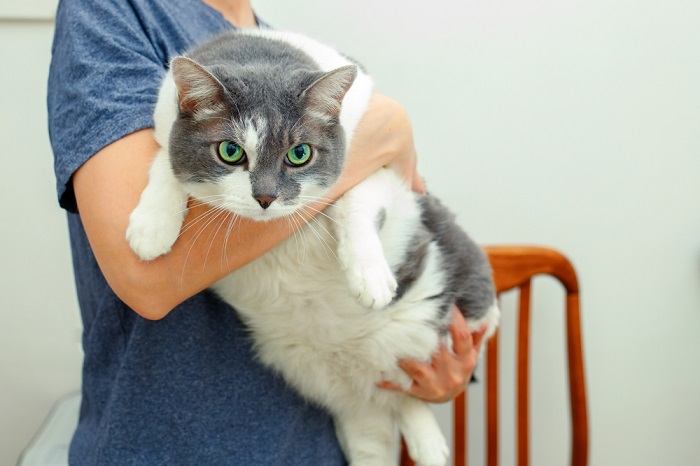
Domestic cats usually have secure environments, frequent meals, comfy resting places, and limited outdoor activities. Although this way of living is comfortable, it can gradually add body fat when an activity remains minimal. Owners of pets do not always notice the physical changes in the early years of growth since the growth rate is rather slow, and it takes time. Knowing what to do if your cat is overweight (貓咪太胖怎麼辦) will aid families in preserving lasting feline health by improving care practices. With proper care, owners are able to follow healthier routines and assist with comfort, movement, and daily energy of the pets in the house.
Why Limited Movement Adds Pounds
The average indoor pet will sleep for hours by a window or furniture or a quiet corner. If you are not active enough, calories are not used for energy, but rather stored. If there is less climbing, jumping and chasing activity, then this could lead to a gradual increase in body size. Interactive games encourage more positive movement and maintain cats’ daily mental engagement.
How Overfeeding Changes Body Shape
Some owners refill bowls too often because begging behavior appears convincing. Extra treats during the day may also increase calorie intake quickly.
Helpful feeding habits include:
- Measured meal portions
- Scheduled eating times
- Healthy snack choices
- Controlled treat amounts
Balanced feeding routines often improve body condition steadily.
Why Boredom Increases Food Seeking
The indoor pets are also known to consume more food when they are deprived of mental stimulation. Boredom can foster the habit of going back to the feeding areas despite the regular meals. Cats typically like those activities that make their instincts of hunting go against their nature.
How Poor Sleep Affects Wellness
Unstable sleeping patterns may influence appetite with daily behavior. Loud environments, bright lights, or constant interruptions sometimes affect relaxation quality. Proper rest supports balanced energy use throughout the body. Comfortable sleeping spaces away from noise may help maintain calmer routines with improved physical stability for household pets.
Why Certain Foods Cause Problems
Some commercial meals contain high-calorie levels with limited nutritional balance. Foods rich in fat may increase body mass quickly when served often. Moisture-poor meals may also reduce feelings of fullness after eating.
Better meal choices may include:
- Protein-rich nutrition
- Moisture-balanced food
- Controlled calorie portions
- Vet-approved meal plans
Careful food selection supports healthier daily living.
How Aging Slows Energy Burning
Older cats naturally move less because joints become less flexible over time. Lower activity levels may reduce calorie use while increasing stored fat. Senior pets often need adjusted meal portions suited to changing energy needs. Gentle movement activities support flexibility while helping maintain better physical balance during the aging years.
Why Stress Changes Eating Habits
Emotional strain sometimes affects appetite patterns among household pets. Changes inside the home, unfamiliar visitors, or routine disruptions may trigger comfort eating. Calm surroundings support emotional wellness while helping cats maintain stable habits. Quiet spaces, familiar schedules, and gentle interaction frequently reduce stress-related eating behavior successfully.
How Owners Can Encourage Exercise
Modest everyday movement aids progress muscle tone with healthier circulation. Indoor pets benefit from climbing shelves, chasing toys, and active play sessions with owners. Consistent exercise routines support stronger mobility while reducing fat storage gradually. Small activity sessions throughout the day may create better long-term physical condition naturally.
Healthy routines support improved body balance with stronger movement throughout every stage of feline life. Controlled meals, active play, emotional ease, and proper sleep habits frequently make noticeable improvement over time. Families who understand what to do if your cat is overweight (貓咪太胖怎麼辦) may respond earlier before serious physical trouble develops. Veterinary guidance also helps identify suitable nutrition with proper care methods for different ages. Gentle lifestyle adjustments often support better flexibility, smoother movement, and greater comfort for indoor pets living within safe home environments.
