
In the natural world, animals live in survival mode. They must search for food, compete with others, avoid predators, and cope with weather changes. Because food is not guaranteed, their bodies evolved to eat when food is available and store extra energy as fat. This natural fat storage is useful in the wild because it helps animals survive periods of scarcity, illness, migration, or harsh seasons.
When an animal becomes a pet, everything changes. Food becomes predictable and easily available, while daily movement often decreases. Many pets spend long hours indoors, rest more, and do not need to hunt, forage, or travel. The combination of steady food access and reduced activity creates the perfect situation for gradual weight gain.
1) Evolution makes pets crave high-energy food
Animals are naturally attracted to foods that provide high energy, mainly fats and sugars. In nature, these foods offer a survival advantage, so animals develop a strong preference for them. Pets still carry this instinct, even when they no longer need it.
Modern pet foods and treats can be calorie-dense and highly palatable, which makes overeating easy. If a pet is offered extra snacks, table scraps, or rich treats, it will usually eat them because its biology encourages it to take advantage of food availability.
2) Domestic life reduces natural exercise
Wild animals burn calories through constant movement. They walk, run, climb, dig, chase, hunt, and explore. Even small daily tasks require effort. This natural activity helps balance calorie intake.
Pets, on the other hand, often have fewer reasons to move. Food comes in a bowl. Water is nearby. Many pets live in limited spaces. Some dogs may only go out for short walks, and some cats may stay indoors most of the time. If calorie intake stays high while activity stays low, weight gain is the obvious result.
3) Humans often overfeed without realising it
A big reason pets become overweight is unintentional overfeeding. Many owners do not realise how quickly extra calories add up for an animal. A small biscuit or bite of food might feel insignificant to a human, but for a pet, it can be a large percentage of their daily calorie needs.
Common overfeeding habits include:
- Giving frequent treats without reducing meal portions
- Serving portions that are too large for the pet’s size and age
- Free-feeding, which means leaving food out all day
- Sharing human food at meals or during cooking
- Letting multiple family members feed the pet without coordination
This becomes even more common in busy households where pets are used to comfort, entertain, or reward. Food becomes a quick way to make a pet happy in the moment, but it can harm their health over time.
4) Treats become emotional rewards
Many people show love through food. Pets learn this quickly. They may beg, follow their owner into the kitchen, or act extra cute because it works. Owners may also use treats to reduce guilt when they are busy or away from home.
This emotional loop is powerful. The pet gets food, the owner feels appreciated, and the habit repeats. Unfortunately, pets do not have the same long-term thinking humans do. They do not worry about gaining weight, and they do not feel social pressure to stay slim. If food is available, they will enjoy it without restraint.
5) Neutering, age, and health conditions can increase risk
Some pets gain weight more easily due to changes in metabolism. Neutering and spaying can reduce calorie needs in some animals, so if the diet is not adjusted, weight gain can follow. Age also matters. As pets get older, they often move less and burn fewer calories. If their food intake stays the same, extra weight can accumulate slowly.
Certain medical conditions can also contribute to weight gain, such as hormonal issues. Some medications may increase appetite. In these situations, a pet might need a specific diet plan and monitoring guided by a vet.
6) Why extra weight is dangerous for pets
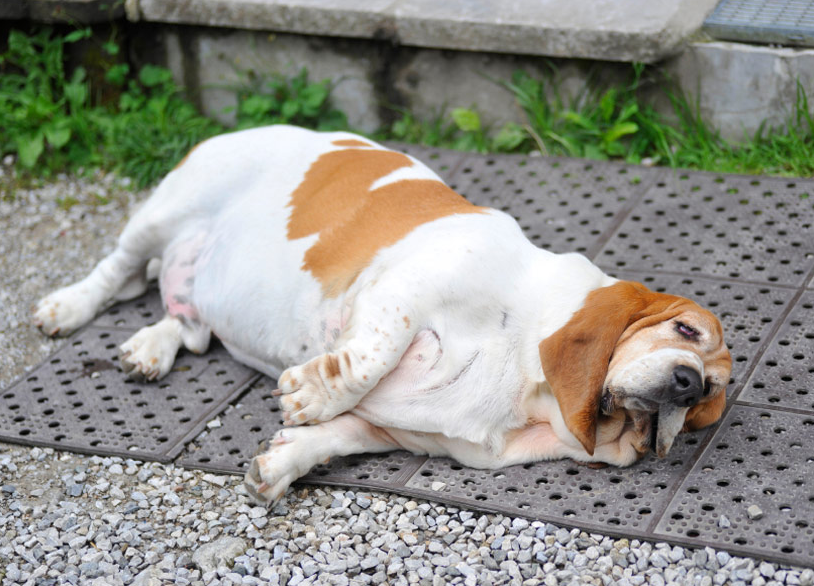
Pet obesity is not just a cosmetic issue. Excess fat affects the entire body. It increases strain on joints, impacts breathing, and can lead to serious long-term health problems.
Common health risks linked to obesity include:
- Joint pain and arthritis, especially in dogs
- Reduced stamina and faster fatigue during walks or play
- Breathing difficulty, particularly in short-nosed breeds
- Increased risk of diabetes, especially in cats
- Heart and circulation stress
- Skin problems due to folds and poor grooming access
- Higher risk during surgery and slower recovery
- Shorter lifespan and lower overall quality of life
Pets may still look cute when overweight, but the internal damage can be significant. Often, the weight gain is gradual, so it is easy to miss until the pet is already struggling.
7) Why it happens even when owners have good intentions
Most owners do not want their pets to become unhealthy. The problem is that modern life encourages convenience. Food is easy to provide, while consistent exercise requires time, planning, and routine. Also, many owners incorrectly assume that a “big appetite” means the pet needs more food, when in reality it might just mean the pet enjoys eating.
Another issue is that overweight pets have become normalised. When many animals in a community are heavy, people start thinking it is a normal body shape. This makes it harder to recognise when a pet is carrying too much fat.
8) How to prevent weight gain in a practical way
Helping a pet stay fit is mainly about balancing calories and activity. It does not require extreme changes, but it does require consistency.
Practical steps that work:
- Measure food portions instead of guessing
- Follow feeding guidelines, then adjust based on your pet’s body condition
- Limit treats, and use smaller training treats when needed
- Reduce meal portions if treats are given that day
- Avoid feeding table scraps, especially high-fat foods
- Create a daily play routine, even short sessions help
- Increase walking time gradually for dogs
- Encourage indoor cats to move with toys, climbing space, and play sessions
- Track weight monthly so changes are noticed early
A useful habit is to treat snacks like part of the daily food budget, not “extra.” This single mindset change prevents many cases of pet obesity.
9) The goal is health, not a perfect look
A healthy pet has better energy, better mobility, and a better mood. You will notice improvements like easier movement, more interest in play, and less tiredness. Weight management is not about making pets look a certain way. It is about helping them live longer and feel better.
Pets depend on humans for their diet and routine. In the wild, nature controls balance through effort and scarcity. In a home, owners become the system that controls balance. When owners provide the right portion sizes and daily activity, pets can enjoy a safe life without the hidden danger of excess weight.
