

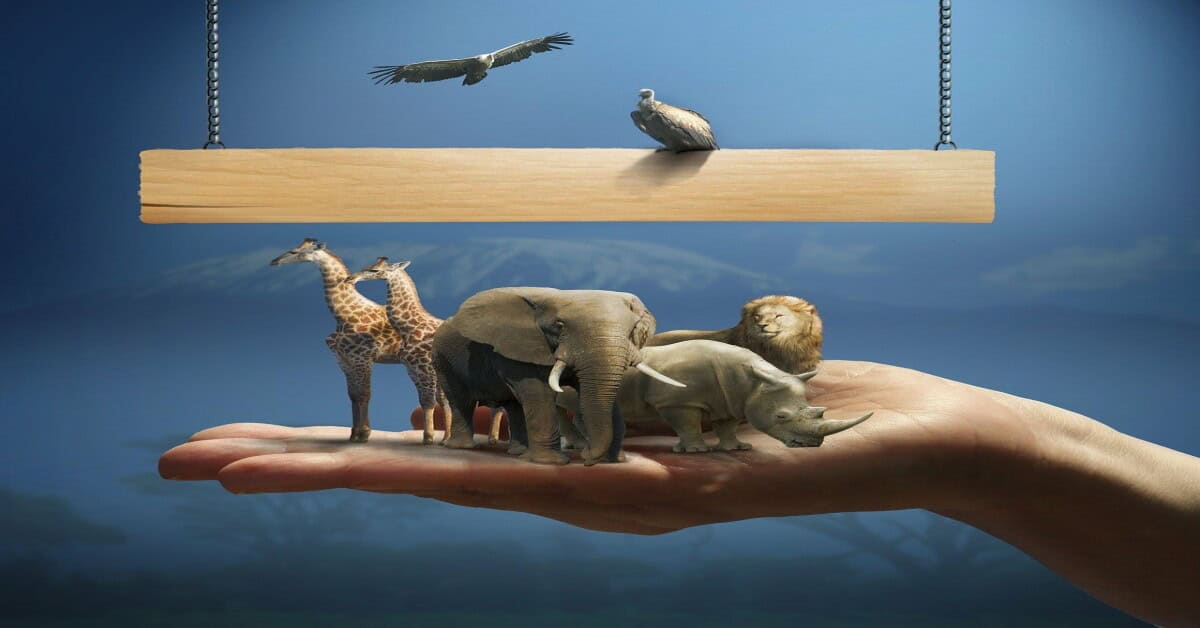
Animals are an essential part of life on Earth. They influence ecosystems, support food webs, and form complex relationships with humans. Studying animals not only helps us understand nature but also sheds light on our own evolution and behavior. From the tiniest insects to the largest marine mammals, animals exhibit remarkable adaptations, survival strategies, and social structures that are worth exploring in depth.
What Defines an Animal?
Animals are multicellular organisms that consume organic material, breathe oxygen, and are capable of movement at some stage of their life. They reproduce sexually (although some species also reproduce asexually) and develop from embryos. This broad definition includes millions of species ranging from simple invertebrates to highly advanced mammals.
Key characteristics:
- Cells contain a nucleus and specialized structures
- Capable of responding to stimuli
- Consume other organisms directly or indirectly
- Exhibit movement patterns either actively or through life stages
Major Classifications of Animals
The animal kingdom is divided into several major groups. Understanding these classifications allows us to recognize shared evolutionary traits and unique adaptations.
Invertebrates
Invertebrates lack a backbone. They are the most diverse group of animals on Earth.
Examples include:
- Insects
- Spiders
- Worms
- Jellyfish
- Octopuses
- Crustaceans
Key features:
- Soft bodies or external skeletons
- Varied reproductive methods
- Often highly adaptable to environmental changes
Vertebrates
Vertebrates possess an internal spinal column that supports their body and protects their nerve cord.
Main categories:
- Fish
- Amphibians
- Reptiles
- Birds
- Mammals
Key features:
- Advanced nervous systems
- Internal skeletons for structural support
- Ability to grow larger in size than most invertebrates
The Role of Animals in Ecosystems
Animals play essential roles in maintaining ecological balance.
Pollination and Seed Dispersal
Many plants depend on animals to reproduce successfully.
- Bees, bats, hummingbirds, and butterflies help transfer pollen
- Birds and mammals carry seeds to new areas, enabling plant growth
Population Control
Predators manage herbivore populations, preventing overgrazing. For example:
- Wolves regulate deer populations
- Owls control rodent numbers
Nutrient Recycling
Animals contribute to nutrient cycles in several ways:
- Decomposers break down organic matter into soil nutrients
- Scavengers prevent disease by consuming carcasses
Animal Adaptations: How Species Survive and Thrive
Adaptations are traits that have evolved over time to improve an animal’s chances of survival.
Physical Adaptations
- Camouflage helps prey species hide from predators
- Thick fur protects animals in cold climates
- Webbed feet allow aquatic birds to swim efficiently
Behavioral Adaptations
- Migration allows animals to follow food sources and seasonal climates
- Hibernation conserves energy during scarce food periods
- Social cooperation increases protection and improves hunting success
Sensory Adaptations
Animals often develop specialized senses more advanced than humans:
- Owls have night vision enhanced by large pupils
- Snakes use infrared sensing to detect prey heat signatures
- Dolphins communicate and navigate using echolocation
Social Structures and Communication in Animals
Many animals form groups for survival, reproduction, and resource management.
Herds, Packs, and Colonies
These structures allow animals to:
- Share food
- Defend against predators
- Raise young cooperatively
Examples:
- Elephants live in matriarch-led herds with strong emotional bonds
- Wolves hunt in coordinated packs using strategy
- Ants form colonies with specialized roles such as workers, soldiers, and queens
Communication Methods
Animals communicate using:
- Sounds and vocal calls
- Body language and posture
- Chemical signals (pheromones)
- Light signals (fireflies)
- Touch interactions (grooming in primates)
The Relationship Between Humans and Animals
Humans have depended on animals for thousands of years for companionship, work, food, and cultural identity.
Domestication
Key domesticated species include:
- Dogs for protection and companionship
- Cattle and sheep for food production
- Horses for transportation and labor
Ethical and Conservation Considerations
Human activity affects wildlife significantly.
- Habitat destruction reduces biodiversity
- Pollution harms marine and land animals
- Climate change alters migration and breeding cycles
Conservation organizations work to:
- Protect endangered species
- Preserve natural habitats
- Restore ecosystems damaged by development
The Impact of Animals on Human Health and Emotion
Animals can greatly influence physical and emotional well-being.
Physical Benefits
- Service animals assist individuals with mobility and medical needs
- Bees support agricultural production through pollination
Emotional and Psychological Benefits
Interaction with animals can:
- Reduce anxiety
- Increase dopamine and serotonin levels
- Foster companionship and social connection
Future of Animals: Preservation and Coexistence
The future of global biodiversity depends on cooperation between governments, scientists, and communities. Sustainable practices and education are essential for maintaining animal populations and preserving ecological health.
Ways Individuals Can Contribute
- Support wildlife conservation programs
- Reduce the use of plastics and chemicals
- Choose responsibly sourced foods
- Learn about local ecosystems and their species
- Respect wildlife while hiking or traveling
Frequently Asked Questions (FAQs)
Why are animals important to the environment?
Animals influence food chains, pollinate plants, disperse seeds, and regulate populations. Without them, ecosystems would collapse or shift dramatically.
How do scientists classify animals into different groups?
Classification is based on physical traits, genetics, evolutionary history, and biological functions. Scientists study skeletal structures, DNA, and behavior to determine relationships.
What is the difference between wild and domesticated animals?
Wild animals live and survive independently in natural environments, while domesticated animals have been selectively bred by humans for specific traits such as docility, productivity, or companionship.
How can children learn more about animals in a meaningful way?
Activities such as nature walks, visiting wildlife preserves, volunteering at local shelters, and reading educational materials can help children learn while building empathy and curiosity.
