

A cat is one of the most recognized and beloved animals in the world. Known for independence, agility, and deep emotional intelligence, cats have formed meaningful relationships with humans for thousands of years. Whether living in homes or in natural environments, cats show complex behaviors, social patterns, and physical adaptations that make them both fascinating and important to study. Understanding cats deeply helps owners create healthier home environments and encourages responsible care practices.
Evolution and History of Cats
Cats trace their origins back to wild desert felines. Early humans and cats developed a mutually beneficial relationship when cats began controlling rodent populations in farming regions. Over many generations, selective social behavior and compatibility with people encouraged the development of the domestic cat. Despite domestication, modern cats retain many instincts from their wild ancestors, including hunting movements, territorial awareness, and stealthy communication patterns.
Understanding Cat Behavior
Cat behavior is shaped by instinct, environment, and social interaction. Recognizing common behaviors helps owners provide better emotional and physical support.
Territorial Behavior
Cats are territorial animals. They define spaces not only by physical boundaries but also by scent markings and movement patterns.
- Rubbing against furniture or humans indicates scent marking
- Scratching surfaces maintains claw health and leaves visual and scent signals
- Blocking pathways or guarding rooms can indicate protective behavior
Territorial instincts are not aggression by default. They are a natural way cats create stability and familiarity.
Hunting and Play Instincts
Domestic cats hunt less for survival and more for mental stimulation. Play is a significant expression of this instinct.
- Stalking, pouncing, and chasing toys reflect hunting practice
- Sudden bursts of energy, often called zoomies, release excess stimulation
- Interactive play with humans strengthens trust and reduces stress
When cats are not provided with sufficient stimulation, they may show frustration through unwanted behaviors such as furniture scratching or excessive vocalization.
Social Relationships
Cats are often thought of as solitary animals, but many form strong social bonds.
- They show affection by slow blinking, gentle headbutts, and sleeping near trusted individuals
- Some cats enjoy group living with compatible companions
- Socialization during kittenhood greatly influences adult behavior
Every cat has a unique personality. Some are quiet observers, while others actively seek attention and interaction.
Communication in Cats
Cats communicate in subtle and meaningful ways. Understanding these communication methods strengthens human and animal relationships.
Vocal Communication
- Meowing is mostly reserved for communicating with humans rather than other cats
- Purring usually indicates comfort, but can also appear when a cat is stressed and seeking reassurance
- Hissing and growling are clear signs of discomfort or fear
Body Language
- Tail position is a strong emotional indicator. A raised tail with a relaxed body suggests confidence and comfort.
- Flattened ears mean the cat feels threatened or overstimulated.
- A slow blink is a trust signal that invites relaxed interaction.
Scent Communication
Cats rely heavily on scent to understand their world.
- They release pheromones through glands located around the face and tail
- Litter box territory is part of scent-based navigation
- Household smells influence emotional stability
Dietary Needs and Nutrition
Feeding practices play a critical role in cat health. Cats are obligate carnivores, meaning their bodies require nutrients found only in animal-based proteins.
Key Nutritional Requirements
- High protein for muscle development and energy
- Taurine, an amino acid essential for heart and eye health
- Healthy fats for skin and coat health
- Limited carbohydrates to avoid unnecessary weight gain
Improper feeding can lead to obesity, heart disease, diabetes, and digestive issues.
Hydration
Cats have a lower natural thirst drive due to their desert origins. Encouraging hydration is necessary for kidney and urinary health.
- Provide fresh water daily
- Consider using water fountains to encourage drinking
- Incorporate moisture-rich foods when appropriate
Health and Preventive Care
Preventive health care is essential for long-term well-being.
Routine Health Measures
- Regular veterinary checkups to monitor weight, dental health, and organ function
- Vaccinations to protect against viral and bacterial infections
- Parasite prevention for fleas, ticks, and intestinal worms
Behavioral Health
Cats require mental engagement as much as physical care.
- Environmental enrichment reduces stress and boredom
- Safe spaces and vertical structures support territorial security
- Gentle social interaction builds confidence
Signs of Illness
Cats often hide discomfort, so subtle signs require attention.
- Reduced appetite
- Decreased grooming or overgrooming
- Sudden changes in energy or personality
- Difficulty using the litter box
Early detection improves treatment outcomes.
Grooming and Hygiene
Cats groom themselves, but human involvement still matters.
Coat Maintenance
- Long-haired cats need regular brushing to prevent matting
- Short-haired breeds benefit from occasional grooming to reduce shedding
- Hairballs can be minimized with appropriate diet and hydration
Nail and Dental Care
- Trim nails regularly to prevent injury and furniture damage
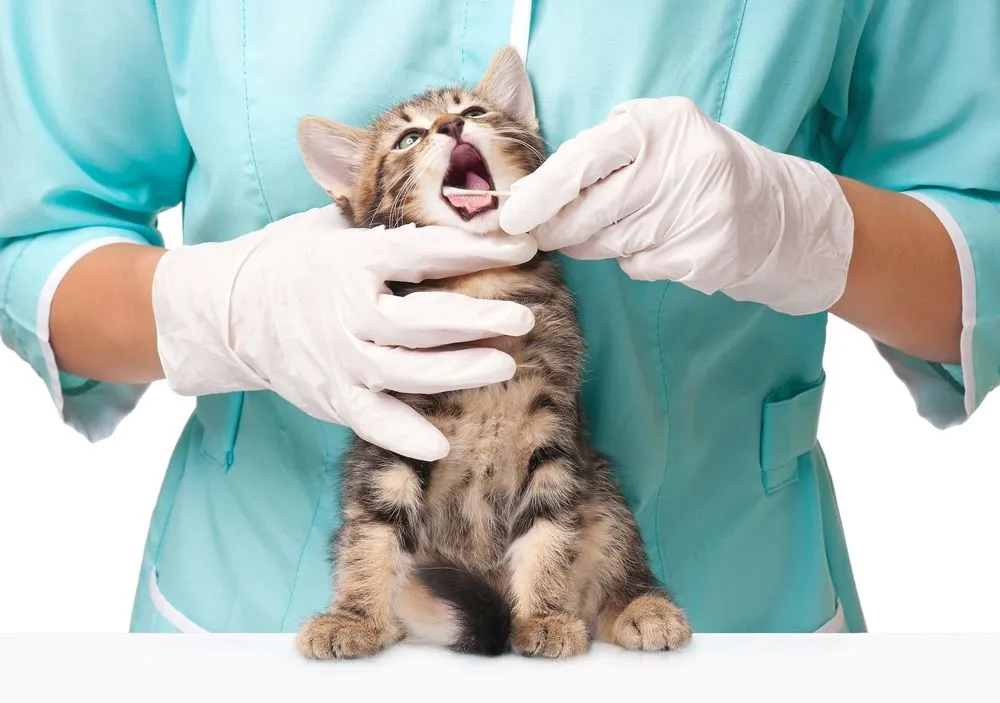
- Dental cleaning reduces plaque buildup and prevents gum disease
- Safe chew toys encourage natural cleaning behaviors
Indoor vs Outdoor Living Considerations
Both indoor and outdoor environments have pros and cons, and decisions must prioritize safety.
Indoor Cats
- Live longer due to reduced exposure to disease and predators
- Need enrichment to stay mentally and physically engaged
- Benefit from playtime and interactive feeding methods
Outdoor Cats
- Experience increased physical stimulation and natural behaviors
- Face risks such as traffic, predators, and environmental hazards
Some families choose a balanced solution like supervised outdoor time or enclosed patio spaces.
Emotional Connection Between Cats and Humans
Cats contribute to emotional well-being through companionship, routine, and nonverbal communication.
- Reduces stress levels
- Encourages daily structure
- Provides comfort during emotional turbulence
Many cats recognize human moods and respond with physical closeness or quiet presence.
Frequently Asked Questions
Why do cats knead with their paws?
Kneading is a comforting behavior rooted in kittenhood. Kittens knead their mother to stimulate milk flow, and many cats continue the action into adulthood as a sign of contentment and trust.
What causes sudden biting during petting?
Sudden biting often happens when a cat becomes overstimulated. Pay attention to early signals like flicking tails, tense muscles, or twitching ears to prevent sensory overload.
How can new cat owners build trust with a nervous cat?
Give the cat time, space, and consistent routines. Sit at ground level, offer treats gently, and avoid direct staring. Let the cat choose when to interact.
Why do cats stare out windows for long periods?
Window watching provides mental stimulation. Outdoor views offer visual enrichment that mimics hunting observation patterns, which satisfies instinct and curiosity.
What is the ideal way to introduce a second cat into the home?
Separate living spaces at first, exchange scent through bedding, use controlled visual introductions, and move slowly to reduce territorial stress and conflict.
