

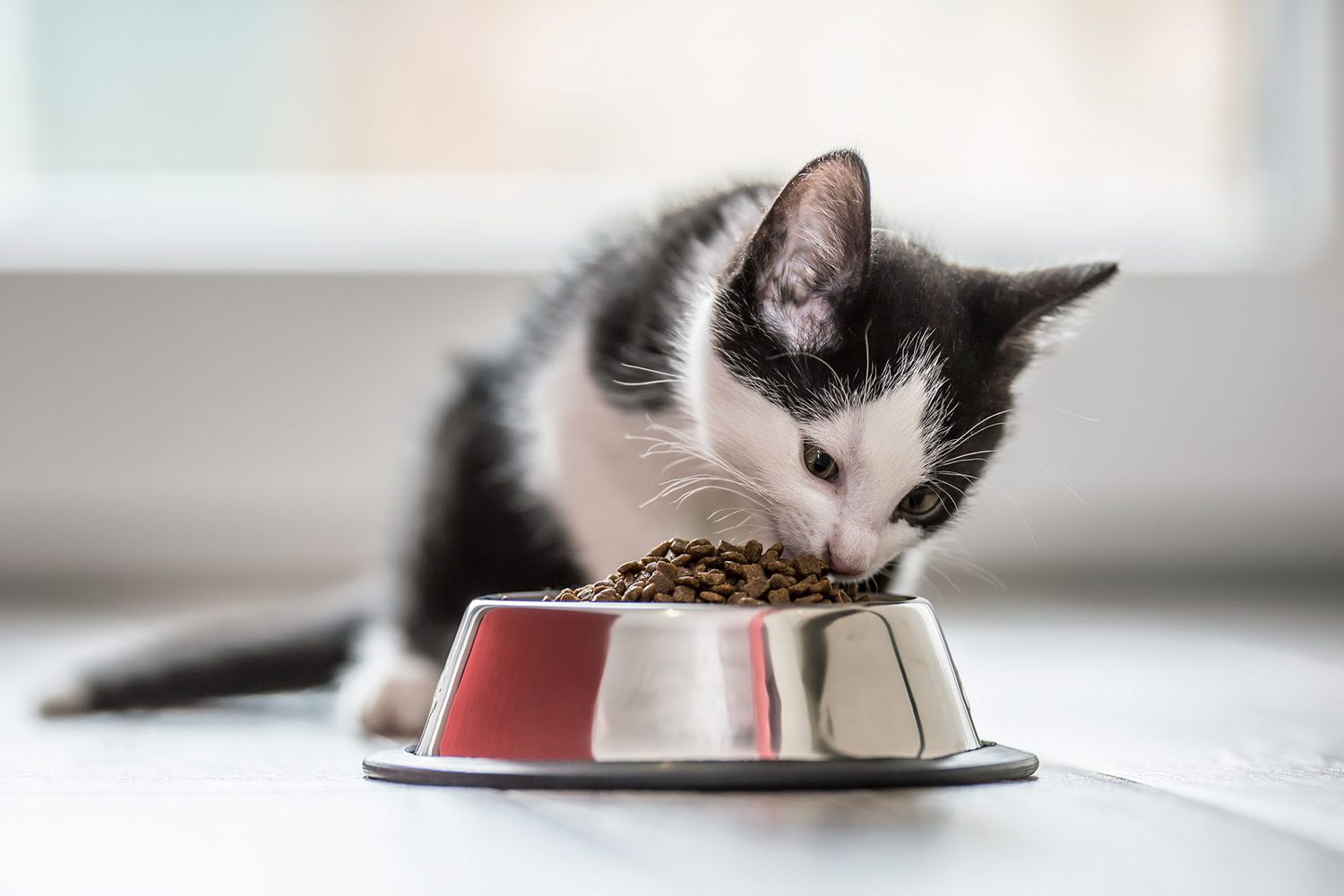
Just the label of “cat food” is not enough when deciding what to feed your little buddy. When buying cat food, you should check the ingredients, ensure it is suitable for your cat’s age, consider any allergies your cat may have, and understand which mistakes to avoid. Most problems arise from choosing food for the wrong life stage, missing warning labels, ignoring feeding instructions, or feeding more than you think.
Top 10 Mistakes Most Cat Owners Make When Buying Cat Food
1. Using Dog Food for Your Cat
Cats have nutrient requirements that are different from dogs, including taurine and pre‑formed vitamin A, so dog food is not an appropriate main diet for a cat. According to AAFCO’s consumer guidance on species-specific nutrition, foods should be formulated for the right species.
2. Not Checking the Nutritional Adequacy Statement
If you don’t see a statement indicating that the food is “complete and balanced” for a specific life stage, you should not assume it meets your cat’s daily nutritional needs. According to AAFCO, “complete” means the food contains all the required nutrients, while “balanced” means those nutrients are present in the proper proportions. That’s why checking the nutritional adequacy statement is so important.
3. Buying Cat-Food from the Wrong Life Stage
When bringing home a kitten from a breeder such as CinnamonDolls, ask what food the kitten is currently eating and whether there is a recommended feeding routine. Continuing with familiar food during the first few days can help the kitten settle into its new home. Any dietary changes should be introduced gradually to reduce the risk of digestive discomfort.
4. Using Treats, Toppers, Or Supplements as a Main Food
Treats and supplements are not designed to be complete diets. AAFCO warns that products labelled for “intermittent or supplemental feeding only” are meant as add-ons, not meals. If you’re new to cat parenting and having a little kitty, consult trusted resources on kitten nutrition and guidelines on food for kittens to ensure they receive a balanced diet.
5. Ignoring Calories and Portion Size
Even good food can cause weight gain if portions are off. The WSAVA’s Global Nutrition Guidelines recommend choosing brands that provide calorie information and clear feeding instructions, making it easier to determine appropriate portion sizes. Regularly monitoring your cat’s body condition and adjusting food intake as needed can help maintain a healthy weight.
6. Following The Feeding Directions Once, But Never Adjusting
Label directions are a starting point, not a permanent rule. AAFCO advises pet owners to use feeding directions as guidelines and adjust portions over time based on their cat’s weight, body condition, activity level, and overall health.
7. Trusting Vague Words Instead of the Company’s Answers
Terms such as “premium,” “natural,” or “gourmet” may sound appealing, but they do not reveal who formulated the diet or how its nutritional quality has been evaluated. The WSAVA Global Nutrition Guidelines recommend choosing brands that can provide clear information about their nutrition expertise, quality-control practices, and testing procedures.
Companies should be able to confirm that qualified nutrition professionals are involved in formulating the food and that the finished product is routinely tested to ensure it meets nutritional standards.
8. Buying From a Brand That’s Not Transparent
If a company is not transparent about a full nutrient analysis or does not answer basic questions, it may be best to look elsewhere. The WSAVA specifically recommends choosing manufacturers that are transparent about their nutrition and quality-control practices, provide accessible contact information, and are willing to share detailed information about how their foods are formulated, tested, and monitored for quality.
Summing Up
When choosing food for kittens or grown cats, start by filtering options by life stage and format, then confirm the adequacy statement on the packaging. Compare the available wet and dry food ranges for cats. If you’re mixing them, always check their compatibility or seek advice from a veterinarian. These simple precautions can help you narrow down your choices safely before comparing labels.
Select cat food that carries a Nutritional Adequacy Statement and matches your cat’s specific life stage. Always prefer a trusted cat food provider backed by an expert nutritionist to find the right option for your cat’s age and lifestyle.
