

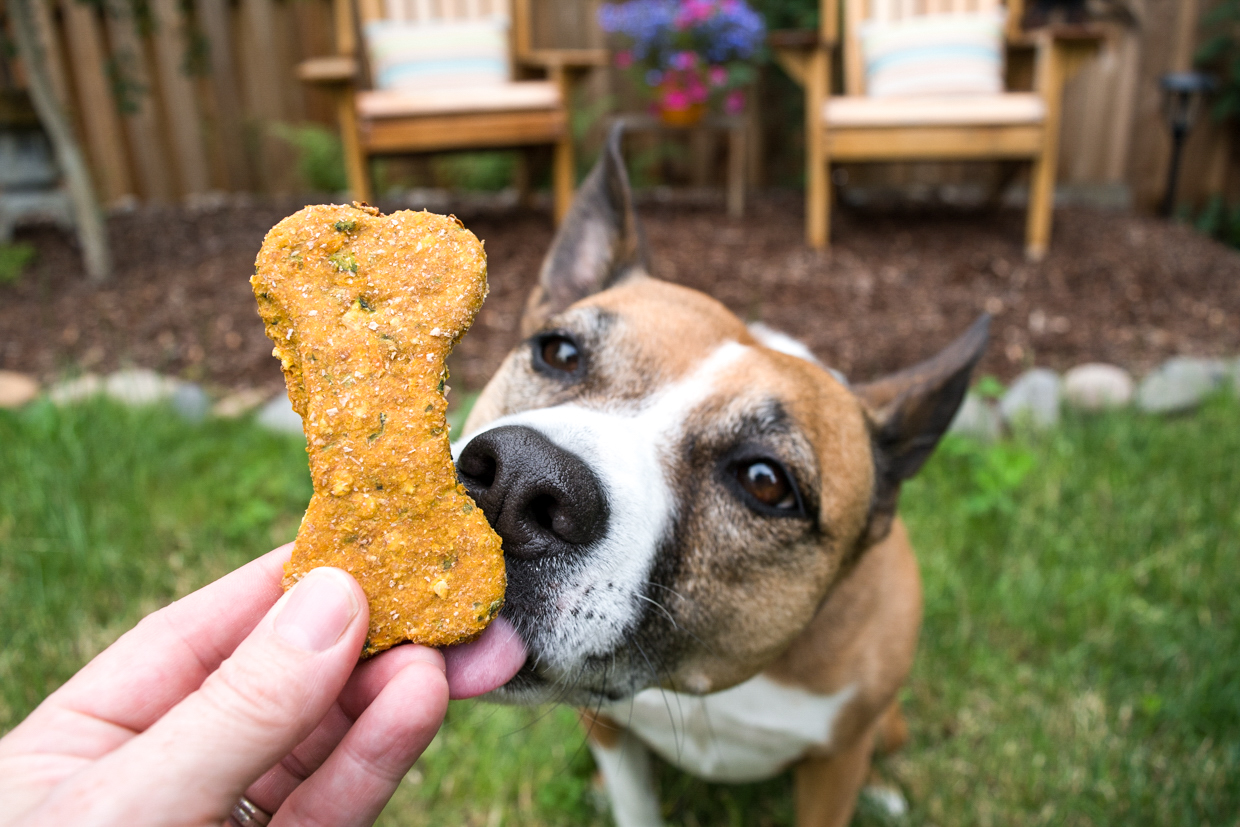
Ever wondered exactly what goes into those tasty morsels you give your furry mate? Understanding the ingredients in dog treats is essential for ensuring their health and well-being. Just like we care about what we eat, it’s crucial to know what our canine companions are consuming. After all, they rely on us to make the best choices for them.
The world of dog treats can be a bit of a minefield, with so many options available. From chewy biscuits to crunchy bites, the variety is endless. But what are they really made of? Let’s dive into decoding those often-confusing ingredient lists and uncover what’s really in those tempting snacks.
Understanding the basics of dog treat ingredients
Most dog treats will include a base ingredient, often a grain like wheat or rice, or a protein source such as chicken or beef. These ingredients provide the bulk of the treat and contribute to its texture. However, it’s important to consider the quality of these ingredients. Are they whole grains or processed flours? Is the protein source clearly identified or vaguely labelled as “animal by-products”?
Beyond the base, many treats include added flavours, preservatives, and colours. These additives can enhance the palatability and shelf life of the treats. Some additives are harmless, while others may cause sensitivities or allergies in some dogs. Reading the label carefully is key to identifying any potential problem ingredients.
Common ingredients to watch out for
Certain ingredients are best avoided or limited in your dog’s diet. Artificial colours and flavours offer no nutritional value and may cause allergic reactions in some dogs. Preservatives like BHA, BHT, and ethoxyquin have been linked to health concerns and are best avoided where possible. High levels of sugar or salt are also undesirable, as they can contribute to weight gain and other health problems.
Fillers such as corn, wheat, and soy are often used to bulk up treats and can be difficult for some dogs to digest. These ingredients offer limited nutritional value and may trigger allergies or sensitivities in some dogs. Opting for treats with a higher protein content and fewer fillers is generally a healthier choice.
The benefits of natural dog treats
Choosing natural treats offers numerous advantages for your furry friend. Natural treats are typically made with whole, unprocessed ingredients and are free from artificial additives, colours, and preservatives. This means they are less likely to cause allergies or sensitivities and are easier for your dog to digest. It’s also worth considering dental treats for dogs as part of their overall oral hygiene routine.
Natural treats often contain higher levels of nutrients, such as vitamins, minerals, and antioxidants, which contribute to your dog’s overall health and well-being. They can also be a great way to supplement your dog’s diet with essential nutrients. Plus, many dogs simply prefer the taste of natural treats.
Treats for different life stages
Just like human diets, a dog’s nutritional needs change throughout their life. What’s suitable for a young pup may not be ideal for a senior dog. It’s important to choose treats that are appropriate for your dog’s age, size, and activity level. Puppy treats, for example, are formulated with smaller sizes and softer textures to suit their developing teeth and digestive systems.
Senior dogs may benefit from treats that are lower in calories and easier to chew. Dogs with specific health conditions, such as allergies or diabetes, may require special treats formulated to meet their dietary needs. Always consult with your vet if you have any concerns about your dog’s diet or treat choices.
Making informed choices about dog treats
Reading the ingredient list is the first step in making informed choices about dog treats. Look for treats with clearly identified ingredients and avoid those with artificial additives, fillers, and high levels of sugar or salt. Consider the source and quality of the ingredients. Are they sourced from reputable suppliers? Are they organic or sustainably produced?
Ultimately, the best way to choose healthy dog treats is to do your research and consider your dog’s individual needs and preferences. A little bit of knowledge can go a long way in ensuring your furry friend enjoys a happy, healthy life.
