

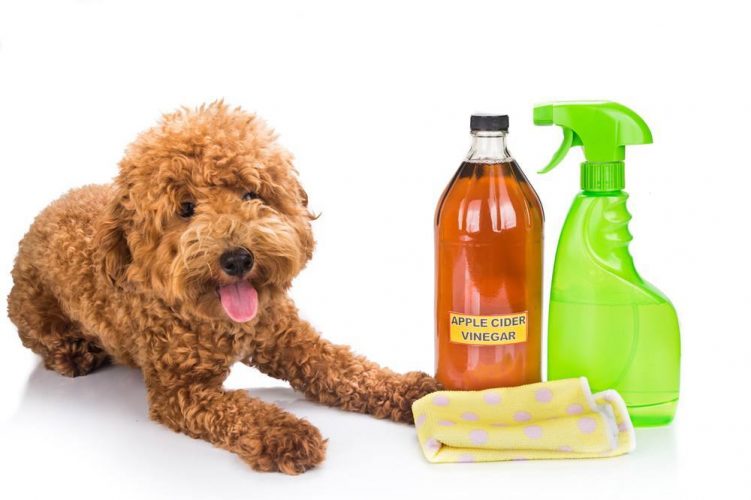
Keeping pets healthy, comfortable, and happy is a daily responsibility. Dogs and cats bring warmth and companionship into a home, but they also come with real-world care needs, and one of the most common challenges is flea control. Fleas are tiny external parasites that survive by feeding on an animal’s blood. Despite their small size, they cause big problems, including constant itching, skin irritation, allergic reactions, and secondary infections from excessive scratching. In heavier infestations, especially in smaller pets or young animals, fleas can even contribute to anaemia. Because fleas reproduce quickly and can spread into carpets, pet bedding, furniture, and cracks in floors, it is always easier to prevent an infestation than to fight a full-blown outbreak.
Many pet owners rely on commercial flea sprays, spot-on treatments, flea collars, or oral preventatives. These can be effective, but some people prefer natural or home-based options, especially when they want to reduce chemical exposure or try gentler solutions for mild flea issues. One popular natural approach uses oranges, particularly orange peels, due to their strong citrus compounds that fleas dislike. Orange peel contains limonene, a naturally occurring compound often used in natural cleaning products and pest-repellent solutions. When used correctly and safely, an orange-based flea spray can support flea management as part of a broader pet hygiene routine.
Understanding Fleas and Why They Are Hard to Control
Fleas go through multiple life stages, and most of the flea population is not actually on your pet at any one time. Adult fleas may live in your pet’s fur, but flea eggs, larvae, and pupae often hide in the environment.
Common signs your pet may have fleas
- Frequent scratching, especially around the neck, base of tail, or belly
- Red or inflamed skin, or small bumps
- Excessive grooming or licking
- Flea dirt, which looks like tiny black pepper specks on the skin or fur
- Restlessness, irritability, or trouble sleeping
Why fleas come back even after treatment
- Eggs and larvae remain in the home environment
- Flea pupae can survive for weeks and “wake up” later
- Outdoor exposure, parks, and contact with other animals can reintroduce fleas
- Inconsistent cleaning and irregular treatment schedules allow fleas to rebuild
A spray, whether chemical or natural, works best when it is combined with cleaning habits that remove the flea life cycle from your home.
Why Orange-Based Flea Sprays Are Popular
Orange peel contains limonene, which has pest-repelling properties. Fleas are sensitive to strong citrus scents and may avoid staying on pets that smell like citrus. Some natural sprays can help discourage fleas and reduce irritation, especially when used as a supportive approach during flea season.
What orange spray can help with
- Repelling fleas from settling on your pet
- Making the fur less attractive to pests due to citrus scent
- Supporting mild flea issues when combined with cleaning and grooming
- Offering a low-cost home option when commercial sprays are not preferred
Important note about expectations
Natural sprays are not always strong enough to handle severe infestations on their own. If your pet has heavy flea exposure, skin wounds, hair loss, or signs of infection, it is best to speak with a veterinarian and consider stronger treatment options.
How Orange-Based Flea Spray Works
Orange peel compounds may affect fleas in a few ways. The scent can act as a deterrent, and certain natural citrus compounds can disrupt insect behaviour. The spray also helps with routine coat care, which supports overall hygiene.
Why fleas dislike citrus
- Citrus odour is strong and unpleasant for many insects
- Limonene can interfere with insects’ normal functioning
- Fleas prefer warm, stable, untreated fur environments, and strong scents disrupt that comfort
DIY Orange Flea Spray Recipe
This recipe uses simple household ingredients to create a mild orange-based flea spray. It is intended for supportive flea management and general coat freshness, not as a guaranteed cure for heavy flea infestations.
Ingredients
- Peels from 2 to 3 fresh oranges (washed)
- 2 to 4 garlic cloves (optional, use small amounts)
- 1 tablespoon aromatic herbs such as rosemary or mint (optional)
- 2 to 3 cups clean water
- 1 spray bottle
- Optional: a fine strainer or muslin cloth
Step-by-step method
- Wash oranges thoroughly to remove surface residue, then peel them.
- Chop the orange peels into small pieces to release more oils.
- Put peels into a blender with water, herbs, and garlic if using.
- Blend until the mixture becomes a smooth liquid.
- Pour the mixture into a saucepan and bring to a gentle boil.
- Reduce heat and simmer for 15 to 30 minutes.
- Switch off heat and allow the liquid to cool completely.
- Strain the mixture so the spray bottle does not clog.
- Pour into a clean spray bottle and label it with the date.
Storage
Keep it refrigerated if you want it to last longer, and use within 5 to 7 days for best freshness. If it smells off or changes colour, discard and remake.
How to Apply the Spray Safely
Always apply carefully and observe your pet’s reaction. Some pets have sensitive skin, and citrus can irritate certain animals, especially cats.
Application tips
- Test first: spray a small patch and wait 24 hours
- Use a light mist, do not soak the fur
- Avoid eyes, nose, mouth, ear canals, and open wounds
- Focus on common flea areas: neck, back, base of tail, under legs
- Comb with a flea comb after spraying to remove loosened fleas and debris
How often to use
- Mild prevention: 2 to 3 times per week
- Higher-risk season or after outdoor exposure: every other day for a short period, if your pet tolerates it well
Safety Warnings You Should Not Ignore
Natural does not always mean risk-free. Citrus oils can be problematic for some pets, especially cats. Garlic is also controversial in pet care because higher quantities can be harmful, particularly for cats, and in some cases dogs.
Safer approach if you want to reduce risk
- Skip garlic entirely
- Keep the recipe mild and well diluted
- Use only orange peel and water, plus a pet-safe herb like rosemary in small amounts
- If your pet has a skin condition, consult a veterinarian before using any homemade spray
Stop using immediately if you notice
- Redness, rash, or swelling
- Excessive scratching after application
- Vomiting or drooling
- Lethargy or unusual behaviour
Flea Control Works Best With Home Maintenance
Even the best spray is limited if the home environment stays infested. Flea eggs and larvae often live in carpets, sofa seams, pet bedding, and corners.
Home hygiene checklist
- Wash pet bedding weekly in hot water
- Vacuum carpets and furniture 3 to 4 times a week during flea season
- Empty vacuum contents immediately into a sealed bag
- Brush your pet regularly and check for flea dirt
- Keep your yard and outdoor pet areas clean and trimmed
Simple pet routine for long-term control
- Bathe your pet occasionally with a gentle pet shampoo
- Use a flea comb weekly, more often if you suspect fleas
- Inspect your pet after park visits or contact with other animals
- Keep your pet’s sleeping area dry and clean
The Importance of Consistent Pet Care
Owning pets is a privilege, but it is also a responsibility that requires consistency. Fleas thrive when routines break down. When grooming, cleaning, and prevention are done regularly, flea problems reduce drastically. A natural orange-based spray can be a helpful part of that routine, especially for pet owners who prefer home solutions or want an additional layer of protection. The key is to combine any spray with proper grooming, a clean home environment, and awareness of your pet’s health signals.
Real-life FAQs
Can orange-based spray kill fleas completely?
It can help repel fleas and may reduce mild flea presence, but it may not fully eliminate a heavy infestation on its own. For serious cases, combine home care with veterinary guidance.
Is it safe for cats?
Cats are often more sensitive to citrus. Many cats dislike citrus smell, and some may react poorly. If you want to try it, keep it extremely diluted, test a tiny area first, and avoid frequent use, or skip it and choose a vet-approved cat-safe method.
How do I know if fleas are in my home?
If your pet scratches frequently and you find flea dirt in their coat, fleas may be present. You may also notice tiny insects on light bedding or experience bites around ankles in severe infestations.
What is the fastest way to reduce fleas at home?
Vacuum thoroughly and frequently, wash all pet bedding, groom your pet with a flea comb daily for a week, and use a reliable flea treatment appropriate for your pet’s age and species.
Can I use this spray on furniture or carpets?
You can lightly mist certain areas, but test fabrics first to avoid staining, and do not over-wet surfaces. For big infestations, targeted cleaning and appropriate home treatments are usually more effective.
