

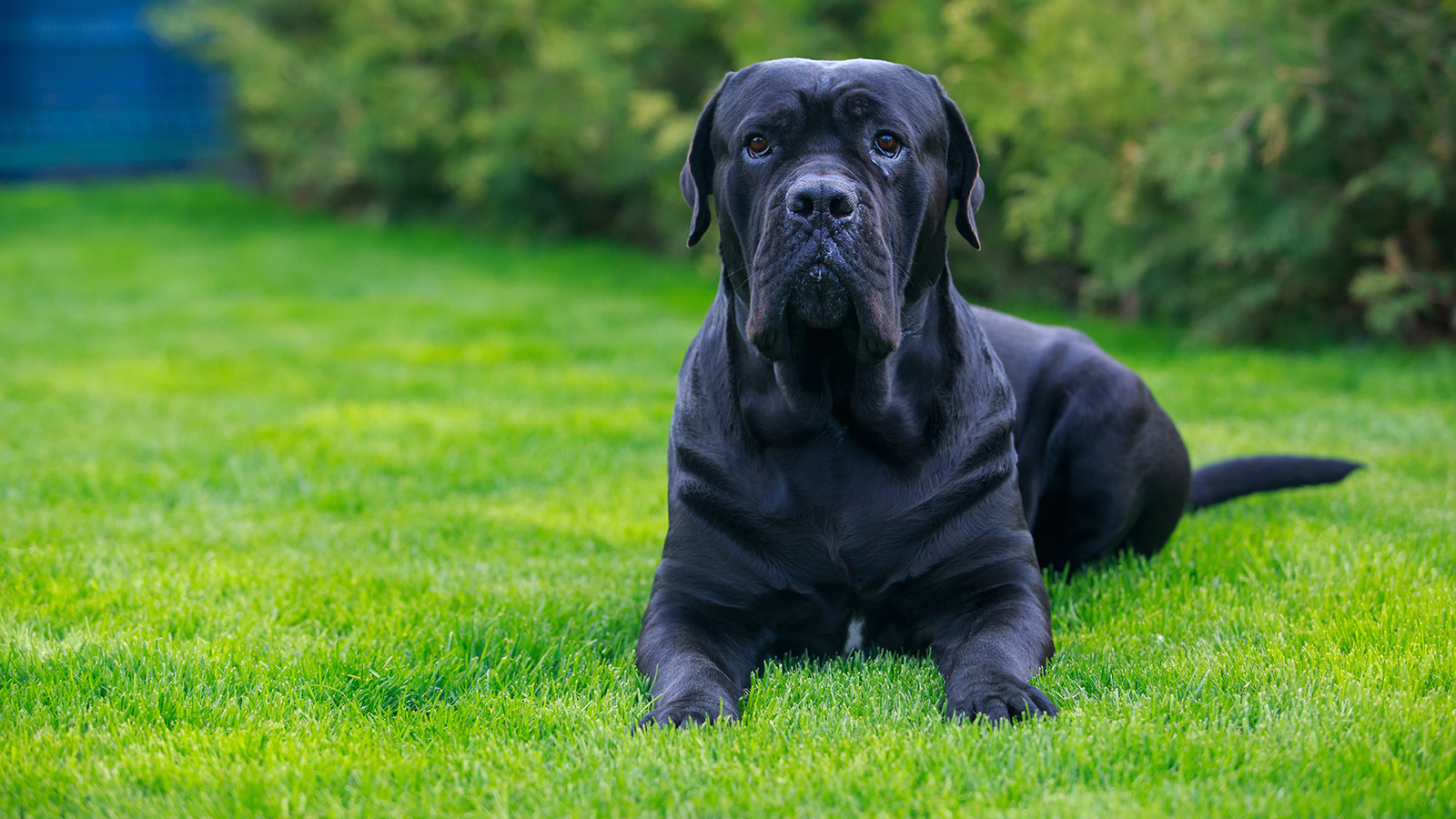
Choosing a protection dog is not the same as choosing a large dog, a loud dog, or a breed with an intimidating reputation. The real test is whether the dog can live safely in a household, read situations accurately, and respond to pressure without becoming unstable. That balance is why breed selection matters so much. Some dogs have the courage and physical ability for serious work but are too sharp or demanding for the average family. Others are dependable and affectionate at home yet lack the nerve, control, or defensive instinct required for genuine protection.
A professional dog trainer from Total K9 advises that the best personal protection dogs are those with stable temperaments, clear heads under stress, and the ability to switch off at home as easily as they switch on when needed. That point is often missed by buyers who focus on appearance first. A protection dog should not create tension in a household or become a management problem in public. It should be reliable around routine life, socially controlled, and guided by training rather than impulse.
This ranking is based on what a professional trainer is likely to value in real-world conditions: trainability, nerve strength, handler focus, environmental confidence, physical capability, and suitability for family life. It also considers something that matters just as much in Britain as anywhere else: practicality. A dog may be excellent on a training field and still be the wrong choice for a busy home, a suburban setting, or an owner with limited working-dog experience. The five breeds below are not ranked by popularity or image. They are ranked by how effectively they combine protection potential with day-to-day livability.
Giant Schnauzer
The Giant Schnauzer sits at number five because it offers a serious working profile without being as common in protection circles as some of the more established breeds. In the right hands, it is powerful, athletic, alert, and highly committed to its handler. It also brings a naturally watchful temperament that many owners find appealing. A well-bred Giant Schnauzer often has a strong territorial instinct and an instinctive suspicion of unfamiliar people, which can make it a credible deterrent before any formal work begins.
What holds the breed back from a higher ranking is not lack of ability but management. Giant Schnauzers are intense dogs. They need structure, regular training, and owners who understand that intelligence alone does not make a dog easy. They can be pushy, vocal, and stubborn if boundaries are inconsistent. Their energy level is substantial, and they do not do especially well when left to entertain themselves. Without proper direction, they can become difficult rather than useful.
That said, the breed has clear strengths for protection work. It is physically imposing without being clumsy, and it tends to move with purpose and confidence. Many Giant Schnauzers are very responsive once the relationship with the handler is established, and they often work with a distinctive seriousness that suits guarding roles. Around the home, they can be affectionate and loyal, though they are not always as naturally easy-going with visitors as some owners expect.
For experienced dog people who want something less obvious than a German Shepherd or Rottweiler, the Giant Schnauzer is a compelling option. It suits households that enjoy training and can commit to firm, calm leadership. It is not the most forgiving choice for first-time owners, and that is why it ranks fifth rather than higher. Done well, however, it can be an impressive and highly capable protection dog.
Dobermann
The Dobermann earns fourth place because it remains one of the most recognisable protection breeds in the world, and for good reason. It is fast, elegant, highly intelligent, and often deeply bonded to its family. At its best, the Dobermann combines alertness with precision. It notices changes quickly, reacts with speed, and tends to stay closely tuned to its handler. That makes it an attractive breed for people who want a protection dog with genuine responsiveness rather than sheer bulk.
One of the Dobermann’s greatest advantages is its natural presence. Even without overt aggression, it carries authority. In many cases that is enough to discourage unwanted attention. The breed also tends to be highly trainable, especially when work is structured clearly and started early. A good Dobermann can learn quickly, read human behaviour well, and settle closely into household routines. Many are affectionate, clean in the house, and less cumbersome than heavier guardian breeds.
The reason it does not rank higher is consistency across bloodlines and sensitivity within the breed. Dobermanns can be excellent, but quality matters enormously. Poor breeding can produce dogs that are nervy, overly reactive, or physically compromised. Even good individuals can be more sensitive than tougher working breeds, which means training has to be thoughtful rather than heavy-handed. They often do best with handlers who are calm, organised, and capable of building confidence without creating conflict.
For family life, the Dobermann can be a strong option where the dog is properly socialised and responsibly managed. It is often very loyal to children within its own household and typically thrives on close contact with its people. It does not usually suit an owner who wants a dog to live mainly outdoors or act as a detached guard. This is a breed that wants involvement. When that involvement is paired with proper training, the Dobermann remains one of the most effective all-round choices in protection work.
Belgian Malinois
The Belgian Malinois ranks third because few breeds can match its work ethic, speed, and operational sharpness. In professional training environments, it is often the benchmark for modern protection work. The breed is quick to learn, highly driven, physically agile, and capable of performing complex tasks at a very high level. When people picture a dog that is switched on every second and ready to respond instantly, they are often picturing a Malinois whether they realise it or not.
Its strengths are obvious. A good Malinois has enormous desire to work, recover rapidly from stress, and stay engaged with the handler. It tends to be environmentally strong and athletic enough to function in difficult settings. For advanced obedience and controlled protection training, the breed can be exceptional. It also has the stamina to keep going long after many other dogs have tired. From a purely performance-based perspective, there is an argument for placing it even higher.
The issue is suitability for ordinary households. The Belgian Malinois is one of the most commonly admired and one of the most commonly underestimated working breeds. It is not automatically a good family dog simply because it is trainable. Its intensity can be exhausting for owners who are not genuinely committed to structured work. Without consistent outlets, firm guidance, and clear household rules, it can become destructive, frantic, or difficult to live with. It is rarely the right choice for a casual owner attracted by image.
For that reason, the Malinois ranks third rather than first. It is a superb protection breed for the right home, especially where training is serious and ongoing. But a breed can be brilliant on paper and still be wrong for most people. The best protection dog is not the one with the highest drive; it is the one whose strengths can be channelled safely in the owner’s real life. On that point, the Malinois remains outstanding but more specialised than the two breeds above it.
German Shepherd
The German Shepherd takes second place because it has one of the strongest overall records of any breed in protection, service, police, and family settings. It combines working ability with versatility better than almost any other dog. At its best, the breed is confident, trainable, observant, and naturally inclined to form a strong partnership with its handler. It can guard, deter, and respond when necessary, while still functioning as a manageable companion in a well-run home.
One of the German Shepherd’s biggest assets is balance. It typically offers enough size to be physically credible, enough intelligence to handle complex training, and enough biddability to work closely with people. Many individuals have a natural instinct to monitor their surroundings without becoming chaotic or frantic. That makes them especially effective for households wanting a dog that can move between ordinary family life and a more serious protective role. In practical terms, that flexibility has kept the breed relevant for decades.
There are, however, reasons it sits just below first place. The modern German Shepherd varies significantly depending on breeding. Some lines remain excellent working dogs with strong nerves and sound structure, while others suffer from weak temperaments, health issues, or exaggerated conformation. Buyers therefore need to be selective. Hip and elbow health, spinal soundness, and temperament quality should all be taken seriously. A poorly bred German Shepherd can be anxious, physically limited, or unreliable under pressure.
When the breeding is right, the dog is hard to fault. It is often one of the easiest serious protection breeds for an engaged family to live with because it usually wants direction and closeness rather than constant chaos. It can be affectionate, steady with routine, and highly responsive in training. For many British households seeking a dog that looks credible, learns well, and fits into everyday life, the German Shepherd remains one of the strongest options available. It narrowly misses the top spot because one breed tends to offer even greater natural steadiness.
Rottweiler
The Rottweiler ranks first because it brings together the three qualities that matter most in a real protection dog: stability, presence, and controlled power. A well-bred Rottweiler does not need to create a spectacle to be effective. It has natural authority, usually reads pressure well, and often carries a calm confidence that is more valuable than constant intensity. In family environments, that steadiness can make a decisive difference. A protection dog should not feel like a live wire in the house, and the best Rottweilers rarely do.
This breed also offers a strong balance between deterrent value and trainability. Physically, it is substantial enough that most people take it seriously at once. Mentally, a good Rottweiler is often thoughtful rather than frantic. That can produce cleaner decision-making and more controlled behaviour when training is handled properly. Many professional trainers value dogs that do not waste energy or overreact to every stimulus. The Rottweiler often fits that description. It tends to bond strongly with its family and can be naturally protective without becoming unstable.
Its lower activity profile, compared with breeds like the Belgian Malinois, also makes it more practical for many homes. That does not mean low maintenance. Rottweilers still need socialisation, obedience, clear rules, and responsible handling. But they are often easier to settle in domestic settings than some higher-drive working breeds. For owners who want a serious dog without living every day at full working pace, that matters a great deal.
The breed’s main limitation is that poor examples can become stubborn, heavy-handed in behaviour, or unreliable if badly raised. Social confidence and responsible breeding are essential. Yet when those elements are in place, the Rottweiler stands out as the most complete package. It offers real protective potential, strong family loyalty, and a temperament that can remain calm until there is a genuine reason not to. That combination is why it takes the top position in this ranking.
The Right Breed Is Only the Starting Point
Breed matters, but it is only the starting point. Even the best-ranked dog will fail in a protection role if it is poorly bred, badly socialised, or placed with the wrong owner. Temperament should always come before fashion. A dog that looks the part but lacks nerve, control, or sound judgement is not an asset. It is a liability. The same applies to training. Reliable personal protection dogs are not made through aggression. They are developed through stability, obedience, environmental exposure, and carefully managed work that teaches the dog when to respond and when not to.
For families, honesty is essential. The right question is not which breed looks strongest, but which breed suits your household, experience level, and daily routine. A Belgian Malinois may outperform almost anything in skilled hands, while a Rottweiler or German Shepherd may be the far wiser choice in a busy home. Size, drive, sociability, health, and legal responsibility all need proper thought. A credible protection dog should make a home safer, calmer, and more secure, not more complicated. When breed choice is matched with sound training and sensible expectations, that outcome becomes far more realistic.
