

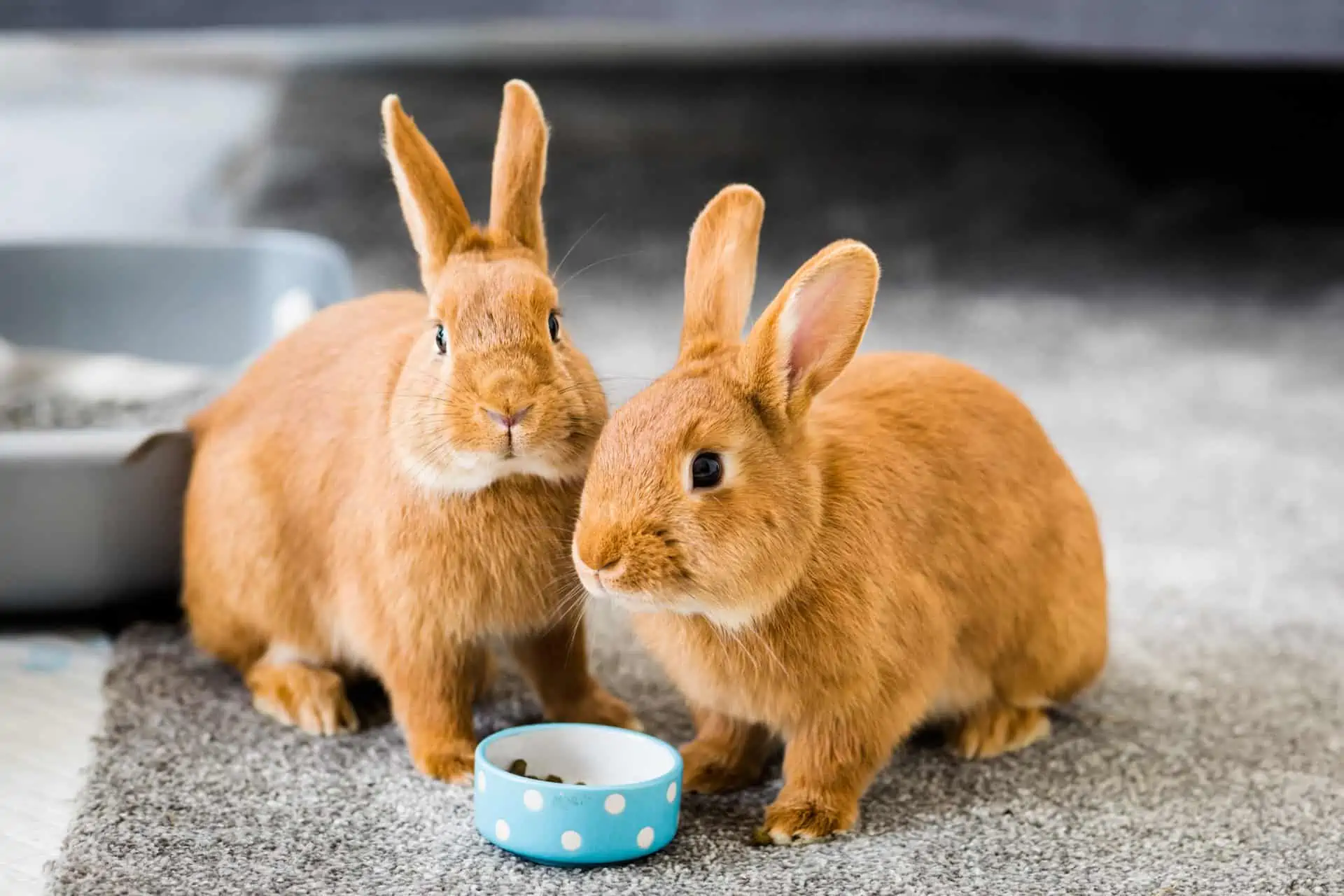
The dream of sharing your home with a free-roaming house rabbit often clashes with a messy, frustrating reality within the first forty-eight hours. Many new rabbit owners envision a calm, gentle herbivore lounging across the living room rug, only to find themselves scrubbing dark puddles out of upholstery and sweeping up endless trails of stray fecal pellets. It is easy to feel overwhelmed and assume that a rabbit is simply incapable of matching the fastidious household cleanliness of a domestic cat.
That assumption could not be further from the truth. In their natural habitats, wild rabbits are remarkably clean animals. They maintain separate chambers within their subterranean warrens for sleeping, nursing, and elimination, and they instinctively choose designated latrines above ground to keep their core living territories sanitary and safe from predator detection.
Litter training an indoor rabbit is not an unnatural trick that requires force or endless scolding. It is simply a matter of aligning your home environment with biological instincts that have existed for millions of years. With the right enclosure layout, an understanding of their digestive mechanics, and a structured expansion of freedom, you can reliably grant your rabbit full run of the house while keeping your living spaces immaculate.
The Hormonal Prerequisite: Spaying and Neutering
Before investing in litter boxes, specialized pellets, or baby gates, you must address the biological engine behind bathroom habits: hormones. If your rabbit is intact and between the ages of four months and two years, reliable litter box training is virtually impossible.
Around three to five months of age, young rabbits reach sexual maturity. Almost overnight, their docile habits vanish under an intense surge of estrogen or testosterone. Intact rabbits are biologically compelled to stake out their territory, and they do this primarily through urine spraying and scat dispersal. A mature, intact buck can spray vertical surfaces several feet high, and intact females will drop tight perimeter rings of droppings around rugs and furniture to signal ownership to potential rivals.
Attempting to house-train an intact adolescent rabbit is an exhausting exercise in frustration. Spaying or neutering is the single most vital prerequisite for free-roam success.
The procedure eliminates the territorial urge to mark boundaries with urine, dramatically calms territorial aggression, and stops hormonal spraying. While male hormone levels subside within four to six weeks post-surgery, females may take up to eight weeks for behavioral stabilization as reproductive hormones leave their systems. Once this baseline is established, consistent training can genuinely take root.
Assembling the Ideal Litter Station
A primary reason rabbits refuse their litter boxes is that the boxes available in standard retail stores are poorly designed for lagomorph physiology. Commercial pet chains frequently stock tiny, triangular plastic corner pans intended for ferrets or rodents. To a rabbit, these cramped trays are uncomfortable, confining, and unnatural.
Choosing the Right Basin
Rabbits need room to step in, turn around completely, stretch out their spines, and adjust their position without their hindquarters hanging over the side.
-
Standard cat litter pans: Simple, rectangular, open-topped cat pans are far superior to novelty rodent trays. Choose a pan that is at least three times the length of your rabbit from nose to tail.
-
Low-entry storage bins: For older rabbits, giant breeds, or individuals suffering from early arthritis, high-sided plastic storage containers with an entrance doorway carefully cut out of one side work exceptionally well. The high walls catch stray hay and kicking litter, while the low threshold allows effortless entry.
-
Avoid covered boxes: Enclosed cat boxes trap volatile ammonia vapors and dust, which irritate a rabbit’s delicate respiratory tract and discourage them from stepping inside.
Selecting Safe, Absorbent Bedding
A rabbit’s respiratory and digestive systems are unusually sensitive. What works for a cat can be fatal to a rabbit.
-
Use compressed paper or wood pellets: Dense, unbleached paper pellets or kiln-dried pine pellets designed for equine bedding provide superior ammonia absorption and do not clump.
-
Avoid clay and clumping litters: Rabbits frequently ingest small pieces of their substrate while foraging. Clumping sodium bentonite litter swells inside the stomach and intestines, creating lethal gastrointestinal blockages.
-
Avoid aromatic softwoods: Cedar and non-kiln-dried pine shavings contain aromatic phenols that have been shown to cause chronic liver enzyme abnormalities and respiratory irritation in small mammals.
The Foraging Reflex: Linking Hay to the Box
Here lies the most powerful secret to house rabbit management: rabbits eliminate while they eat.
Because rabbits are hindgut fermenters, their digestive systems are built for continuous operation. When a rabbit ingests roughage, the stomach stretches, triggering the gastrocolic reflex. This neurological signal stimulates contractions throughout the cecum and colon, prompting the rabbit to empty their bladder and drop fecal pellets while actively chewing fresh stalks.
If you place your rabbit’s hay rack on the opposite side of the room from their litter box, you force them to make an unnatural behavioral choice: should they stand in the box and starve, or stand on your carpet and eat while relieving themselves? They will choose the food every single time.
Mount a generously packed hay rack directly above the litter box, or simply place a massive mound of fresh Timothy, orchard, or meadow grass directly on top of the clean litter along one side of the tray. This setup creates a complete, self-contained dining and latrine station that naturally channels their digestive habits into the designated zone.
The Progressive Training Protocol
The biggest mistake new owners make is granting a rabbit run of the entire home on day one. A human apartment is an overwhelming, vast expanse of territory. When a rabbit is dropped into a three-bedroom house, they cannot keep track of where the litter pan is located, and they feel compelled to claim every square yard with territorial markers.
Litter box mastery must be cultivated through structured, incremental steps.
Phase One: Confinement and Basecamp Habituation
Begin by restricting your rabbit to an exercise pen (x-pen) or a small, puppy-proofed room with easily cleanable flooring, such as tile or linoleum. Avoid slick surfaces that cause their paws to slide, using cheap, washable cotton rugs or fleece blankets for traction.
Set up their litter station, water bowl, and a quiet hiding box inside this basecamp. Watch the rabbit closely during their first few hours. Rabbits naturally choose one specific corner of an enclosure as their latrine. If your rabbit ignores your placed box and consistently pees in the opposite corner, do not fight their instincts—simply move the litter box directly into their chosen corner.
Phase Two: Scent Marking and Neutralization
During the initial week, every accident must be handled with deliberate purpose:
-
Mop up urine puddles immediately using a piece of plain paper towel. Place that damp, scented towel directly into the back corner of the litter box, underneath a layer of hay.
-
Sweep up any loose fecal pellets and drop them straight into the litter pan. This concentrates their personal scent inside the box, reinforcing that this basin is their primary territory.
-
Thoroughly clean the accident site using an enzymatic cleaner or a diluted white vinegar solution. Standard chemical cleaners often fail to destroy the pungent ammonia scent profile, which encourages the rabbit to re-mark the exact same spot. Vinegar naturally breaks down calcium salts and neutralizes urine odors without leaving dangerous chemical residues behind.
Never verbally scold, slap, or physically punish a rabbit for an accident. Rabbits do not possess the psychological framework to associate human anger with a past physical act. Punishment only teaches them to fear your presence, driving up cortisol levels and prompting defensive, fear-based territorial marking.
Phase Three: Earned Territory Expansion
Once your rabbit has used their litter box with ninety-five percent accuracy inside their pen for two continuous weeks, you may expand their boundaries to a single adjacent room.
Supervise these early exploration sessions closely. If you see your rabbit stop mid-hop, lift their tail, and raise their hindquarters slightly—the universal signal of an impending puddle—gently clap your hands or make a quiet kiss noise to interrupt the posture, scoop them up calmly, and set them inside their litter box. When they finish relieving themselves in the pan, reward them with a fresh sprig of cilantro or a tiny slice of apple.
Gradually open up new areas of your home over a period of several weeks. If accidents begin to spike after opening a new hallway or bedroom, you have expanded too quickly. Temporarily scale back their boundaries to the previous successful perimeter for a few days before trying again.
Solving Soft-Surface Insecurity
One of the most persistent hurdles in free-roam rabbit ownership is the sudden tendency to urinate on beds, couches, and plush bath mats.
This behavior is rarely a sign of broken training; it is an instinctive territorial response. Sofas and beds are deeply saturated with human scent. To a sensitive prey animal, stepping onto a bed is the sensory equivalent of walking into someone else’s inner sanctuary. In an attempt to blend their scent with yours and feel secure, they mark the surface. Furthermore, the thick, pillowy give of a memory foam mattress or a plush duvet feels remarkably like the soft, absorbent forest floor they would naturally dig into and mark in the wild.
The solution requires strict boundary management:
-
Block access to furniture during early training using baby gates or decorative folding screens.
-
If you allow your rabbit on the sofa, cover the cushions with an inexpensive, waterproof pet blanket to eliminate panic over upholstery damage.
-
If your rabbit hops onto the bed and immediately lifts their tail, shoo them off immediately. Do not allow them to hang out on high-scent furniture until their habits are rock-solid across the flat floorboards.
Recognizing Medical Regressions
A rabbit that has been reliably litter-trained for years does not suddenly lose their habits out of spite or stubbornness. When an established free-roam rabbit begins leaving puddles outside the box, the issue is almost always physiological.
-
Urinary tract infections and bladder sludge: A build-up of calcium carbonate sediment (bladder sludge) or a bacterial infection causes acute pain and inflammation. The rabbit associates the painful sensation of urination with the litter box itself, leading them to seek out soft rugs or corners in search of comfort.
-
Osteoarthritis: Senior rabbits frequently develop arthritis in their hips, hocks, and lumbar spine. If the lip of the litter box is four inches high, stepping over that barrier can cause sharp joint pain. They will choose to urinate on the flat carpet right next to the box rather than endure the painful climb inside.
-
Encephalitozoon cuniculi (E. cuniculi): This common microsporidian parasite can affect the central nervous system and kidneys, resulting in partial hind-limb weakness or urinary incontinence that prevents normal box usage.
If your rabbit experiences a sudden, persistent regression in their bathroom habits, schedule a thorough examination with a rabbit-savvy exotic veterinarian before attempting any behavioral retraining.
Enjoying the True Companion Bond
Achieving complete free-roam success is one of the most rewarding milestones in modern pet care. When you remove cages and give a rabbit the freedom to explore your home on their own terms, their true personality blossoms. You get to witness joyful binkies across the hallway, watch them stretch out in deep sleep under the dining table, and enjoy the quiet companionship of an animal that feels thoroughly safe in their environment.
Litter training is the structural foundation that makes this freedom possible. By providing a properly sized box, stocking it with an abundance of fragrant hay, respecting their territorial drives, and expanding their world at a thoughtful, gradual pace, you can establish an effortless standard of hygiene that allows your house rabbit to live as a true, permanent member of the family.
