

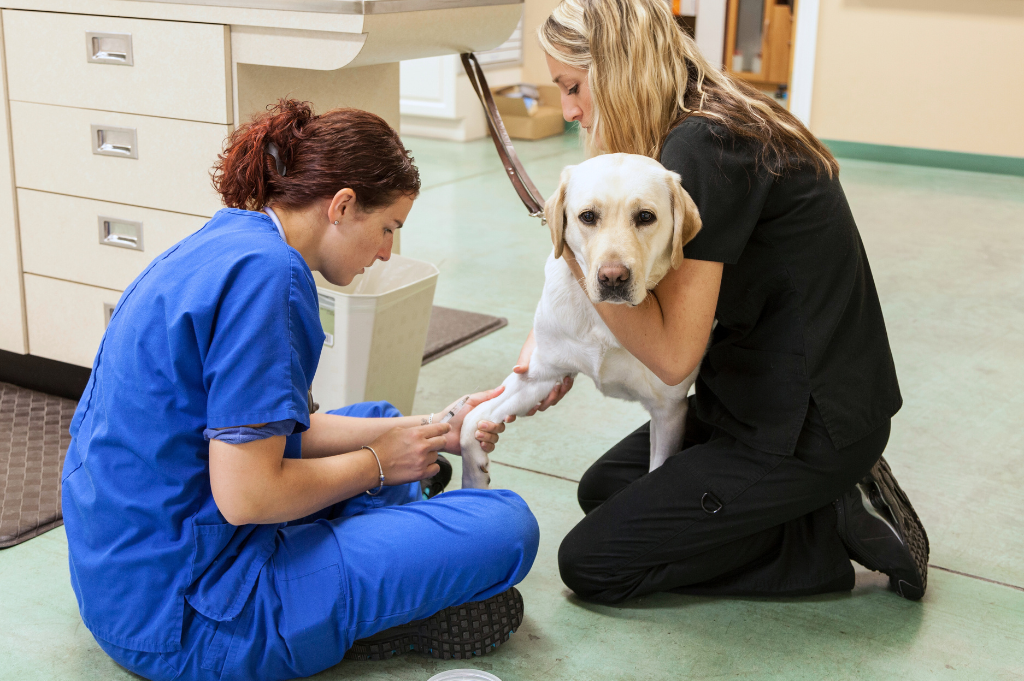
Veterinary science is the branch of medicine dedicated to maintaining and improving the health of animals. It involves diagnosing illnesses, providing preventive care, treating injuries, performing surgeries, and guiding caregivers in responsible long-term management. A veterinary professional does more than treat disease. They observe behavior, evaluate environments, understand species-specific biology, and educate owners to support animal wellbeing. The role of veterinary care has expanded significantly as society places higher value on animal health, emotional welfare, and ethical treatment.
The Foundation of Veterinary Medicine
Veterinary care is rooted in understanding how different animals function biologically and behaviorally. Unlike human medicine, which focuses on a single species, veterinary medicine requires knowledge of diverse organisms with varying digestive systems, metabolic patterns, and nervous system responses. A veterinarian must consider instinct, stress reaction, and environment when evaluating symptoms because animals cannot explain what they feel directly.
Veterinary training involves:
- Anatomy and physiology across multiple species
- Disease patterns and infection pathways
- Surgical techniques and wound management
- Behavior and communication interpretation
- Pharmacology and safe medication dosing for varied body sizes
This broad knowledge allows veterinary professionals to adapt care to animals ranging from household pets to livestock and wildlife.
Preventive Veterinary Care
Preventive care focuses on avoiding illness before it develops. Animals benefit from routine assessments just as humans do. Early detection reduces treatment complications and increases life expectancy.
Routine Examinations
Annual or semi-annual checkups allow veterinarians to evaluate:
- Weight stability and nutritional status
- Heart and lung function
- Oral health and signs of dental disease
- Coat condition and signs of allergies or parasites
- Behavior changes that may indicate stress or pain
Routine visits help identify abnormalities before symptoms become severe.
Vaccinations
Vaccination protects animals from viruses and bacterial infections that can spread rapidly. Vaccines strengthen the immune system and reduce disease outbreaks within communities.
Parasite Prevention
Parasites such as fleas, ticks, mites, and worms cause discomfort and may transmit illnesses. Veterinary guidance ensures appropriate parasite prevention based on environment, climate, and species.
Understanding Animal Pain and Discomfort
Animals often hide pain to avoid appearing vulnerable. Caregivers must watch for behavioral and physical indicators.
Common pain indicators include:
- Reduced appetite or water intake
- Withdrawal or hiding behavior
- Aggression triggered by touch
- Limping or stiffness
- Excessive grooming of a specific area
Veterinary evaluation is necessary to determine underlying causes. Pain management may include medications, physical therapy, environmental changes, and diet modifications.
Diagnostic Tools and Medical Testing
Modern veterinary medicine uses advanced diagnostic methods similar to human healthcare.
Blood and Urine Analysis
These tests help assess kidney function, liver health, blood sugar levels, infection, and hydration status.
Imaging
- X-rays help detect fractures, organ enlargement, or abnormal growths
- Ultrasound provides detailed imaging of soft tissues such as heart and abdomen
- CT and MRI scans are used for advanced neurological or orthopedic conditions
Genetic Testing
Breeds prone to inherited conditions benefit from early genetic screening to manage disease progression and inform care decisions.
Surgical Care in Veterinary Medicine
Surgical procedures vary in complexity, from routine sterilization surgeries to emergency operations. Veterinarians perform surgeries to treat injuries, remove tumors, correct organ dysfunction, and improve mobility.
Key principles of surgical care include:
- Safe anesthesia monitoring
- Pain control before and after surgery
- Infection prevention and wound management
- Post-operative activity guidance to support healing
Owners play a significant role in recovery by maintaining a clean environment, administering medication on schedule, and limiting physical strain.
Dental Care and Oral Health
Dental disease is common among household pets. Periodontal inflammation can lead to tooth loss and infections that spread to organs. Veterinary dental care includes cleaning, polishing, extractions when necessary, and teaching caregivers how to maintain oral hygiene at home.
Signs of dental disease include:
- Bad breath
- Drooling
- Difficulty chewing
- Red or swollen gums
- Pawing at the mouth
Routine dental care improves comfort and long-term health.
Nutrition Guidance and Weight Management
Veterinary professionals evaluate diet based on species, life stage, medical conditions, and activity level. Proper nutrition prevents obesity, digestive problems, joint issues, and metabolic disorders.
Key nutritional considerations:
- Balanced protein and fat ratios
- Fiber content suited to digestive needs
- Controlled calorie intake
- Avoidance of toxic foods such as chocolate, onions, and certain artificial sweeteners
Veterinarians may recommend prescription diets for conditions such as kidney disease, allergies, or diabetes.
Behavior and Emotional Wellbeing in Veterinary Practice
Behavioral health is a crucial component of veterinary care. Stress, fear, and anxiety affect how animals respond to treatment and how they interact with their environment.
Veterinary professionals may advise on:
- Socialization for young animals
- Reducing fear during travel or vet visits
- Training methods that reinforce positive behavior
- Environmental enrichment to prevent boredom or aggression
Understanding behavior prevents conflict and enhances trust between animal and caregiver.
Specialized Branches of Veterinary Medicine
As veterinary science evolves, many practitioners pursue advanced specialties.
Common Veterinary Specialties
- Internal medicine for complex or chronic conditions
- Orthopedics for skeletal and joint issues
- Dermatology for allergies and skin disorders
- Oncology for cancer treatment
- Cardiology for heart disease
- Neurology for brain and nerve disorders
These specialties allow for targeted treatment plans rooted in advanced diagnostics and research.
Veterinary Care for Different Types of Animals
Different species require customized care plans. A one-size-fits-all approach does not support long-term wellness.
Companion Animals
Dogs and cats benefit from structured routines, exercise, dental care, and emotional bonding.
Small Mammals
Rabbits, guinea pigs, and ferrets need specific diet balance, chew-safe enrichment, and habitat hygiene to prevent digestive and dental disorders.
Birds
Birds require nutritional variety, flight exercise, social interaction, and beak and claw maintenance.
Reptiles
Reptiles depend heavily on temperature gradients, humidity control, and UV exposure for metabolic health.
Livestock
Cattle, goats, pigs, and sheep require disease prevention programs, reproductive care, and nutritional assessment for herd stability.
The Human Role in Veterinary Success
Veterinary care is most effective when caregivers maintain consistency at home. Success depends on following medical advice, monitoring behavior changes, and creating supportive environments.
Caregivers should:
- Administer medication as prescribed
- Maintain scheduled vaccination and wellness appointments
- Provide proper nutrition and hydration
- Monitor environmental stress factors
- Communicate openly with veterinary professionals
Trust and cooperation between caregivers and veterinary providers improve outcomes and strengthen the animal-human bond.
Frequently Asked Questions
How often should a healthy adult pet see a veterinarian?
A healthy adult pet should visit a veterinarian at least once per year for routine examinations. Senior animals or those with ongoing medical concerns may require appointments every six months to closely monitor health changes.
Why is my pet anxious during veterinary visits?
New environments, unfamiliar scents, and medical procedures can cause stress. Gradual desensitization, calming pheromones, and slow familiarization with carriers or travel can reduce anxiety over time.
Is specialized veterinary care worth the cost?
Specialized care can significantly improve quality of life for complex medical conditions. Many conditions that once required euthanasia are now manageable with targeted treatments.
How can I tell if my pet’s medication is working?
Monitor appetite, activity level, sleep patterns, and ease of movement. If symptoms remain unchanged or worsen, consult your veterinarian to adjust the treatment plan.
What should I prepare before bringing my pet to the vet?
Have a record of diet, behavioral changes, medication use, and recent environmental changes. Clear information helps veterinarians make accurate diagnoses.
