

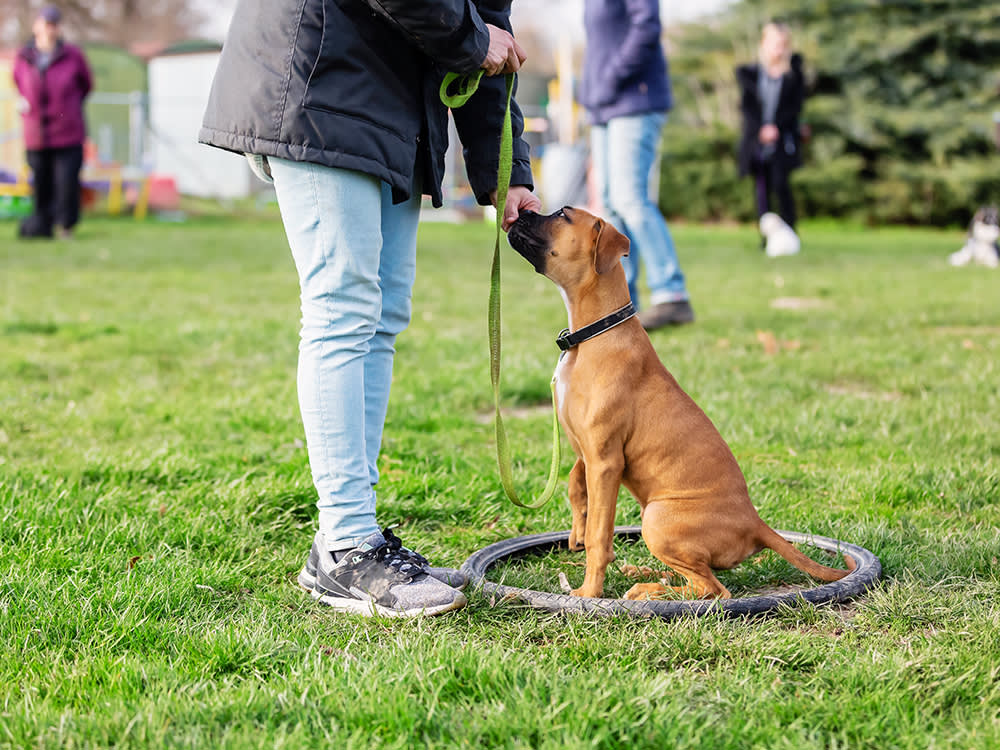
Is your dog’s behaviour out of control? If so, it may be time to consider structured training that delivers consistent and lasting results. One of the most effective approaches is a professional board and train program, where your dog is immersed in daily lessons designed to build discipline, confidence, and good manners. This type of intensive training is ideal for pet owners who are struggling to manage unwanted behaviors at home or simply want to speed up progress with expert guidance. As the lead trainer at Dog Dynamics, Inc. explains, “Our board and train program offers a complete immersion experience for dogs, ensuring faster learning and better retention of good habits.”
Why Dogs Develop Challenging Behaviors
Understanding why dogs act out is the first step toward improving their conduct. Unwanted behavior is often not a sign of a bad dog, but a reflection of unmet needs or unclear guidance. Some common causes include:
-
Lack of exercise and stimulation
-
Confusion about household rules
-
Anxiety from being left alone
-
Inconsistent training methods
-
Overexcitement and poor impulse control
When these issues are not addressed, behaviors such as chewing, barking, aggression, or ignoring commands become harder to correct.
The Power of Structured Training
Training provides dogs with structure and clarity. Rather than leaving them to guess what is expected, training sets consistent rules. Dogs thrive when they know boundaries. They become calmer, more confident, and more eager to please when guidance is clear.
Professional trainers often use reward-based methods that motivate dogs to repeat good choices. This combination of structure and positivity creates a balanced learning environment where dogs are less stressed and more engaged.
What a Board and Train Program Offers
A board and train program takes training to the next level. Instead of a once-a-week lesson, your dog lives with professionals who guide them through every aspect of daily life. Key benefits include:
-
Constant Supervision: Trainers can immediately correct unwanted actions.
-
Daily Practice: Commands and behaviors are reinforced multiple times a day.
-
Controlled Environment: Distractions are introduced gradually, helping dogs succeed step by step.
-
Socialization: Dogs learn to interact calmly with people and other animals in a supervised setting.
-
Faster Results: Intensive practice leads to quicker progress compared to occasional lessons.
This immersion helps dogs not only learn commands but also develop habits that stick once they return home.
Common Behaviors Improved by Training
Board and train programs are especially useful for dogs who struggle with:
-
Excessive barking or whining
-
Jumping on people
-
Pulling on the leash during walks
-
Not listening to recall commands
-
Anxiety-driven behaviors like chewing or pacing
-
Aggressive or reactive tendencies
By addressing these behaviors in a structured way, trainers can give your dog the tools to live harmoniously in your household.
The Role of Owners After Training
Even though a professional may train your dog, your involvement is crucial for long-term success. Owners must:
-
Reinforce the same rules at home
-
Practice commands daily
-
Provide consistent exercise and mental stimulation
-
Avoid returning to old habits that confuse the dog
Many programs include a handover session where trainers coach owners on how to continue the progress. This ensures the training does not fade once the dog returns home.
Why Consistency Matters
Dogs thrive on routine. When they know what to expect, they feel secure. Inconsistent rules, such as sometimes allowing them on furniture and other times punishing them for it, lead to confusion. A key principle of training is that everyone in the household must follow the same rules. If one family member allows begging at the table while another discourages it, the dog will never fully learn.
Additional Tips for Supporting Good Behavior
While professional training lays the foundation, owners can build on it by:
-
Offering puzzle toys to reduce boredom
-
Ensuring dogs get adequate exercise for their breed and energy level
-
Practicing calm greetings to reduce overexcitement
-
Rewarding good choices instead of only punishing mistakes
-
Providing a safe space where the dog can relax when stressed
Small daily actions reinforce the lessons learned in formal training and prevent old habits from resurfacing.
Choosing the Right Training Program
Not all programs are created equal, so choosing the right one is essential. Look for:
-
Trainers with proven experience and positive reviews
-
A focus on reward-based methods rather than harsh corrections
-
Clear communication with owners about progress
-
A structured plan for transitioning dogs back into the home environment
By doing your research, you ensure your dog receives quality care and effective training.
FAQs About Dog Training
Q: How long does a board and train program usually last?
A: Most programs last between two to four weeks, depending on the dog’s needs. More severe behavior challenges may require a longer stay.
Q: Can older dogs benefit from training, or is it only for puppies?
A: Training is beneficial at any age. While puppies may learn faster, older dogs are fully capable of adopting new habits with the right guidance.
Q: What happens if my dog forgets the training once home?
A: Dogs do not forget, but they may test boundaries. Consistency from the owner is the key to reinforcing the lessons learned during training.
Q: Will training make my dog lose their personality?
A: No. Training helps shape behaviors, but your dog’s playful, affectionate nature remains. In fact, many owners find their dog’s personality shines more once problem behaviors are reduced.
Q: How do I prepare my dog for a board and train program?
A: Ensure your dog is up-to-date on vaccinations, bring any necessary food or medications, and communicate any special needs to the trainer. This helps create a smooth transition.
Q: Are follow-up lessons included after the program?
A: Many reputable programs include a follow-up or handover session to ensure owners can continue reinforcing good habits at home.
