

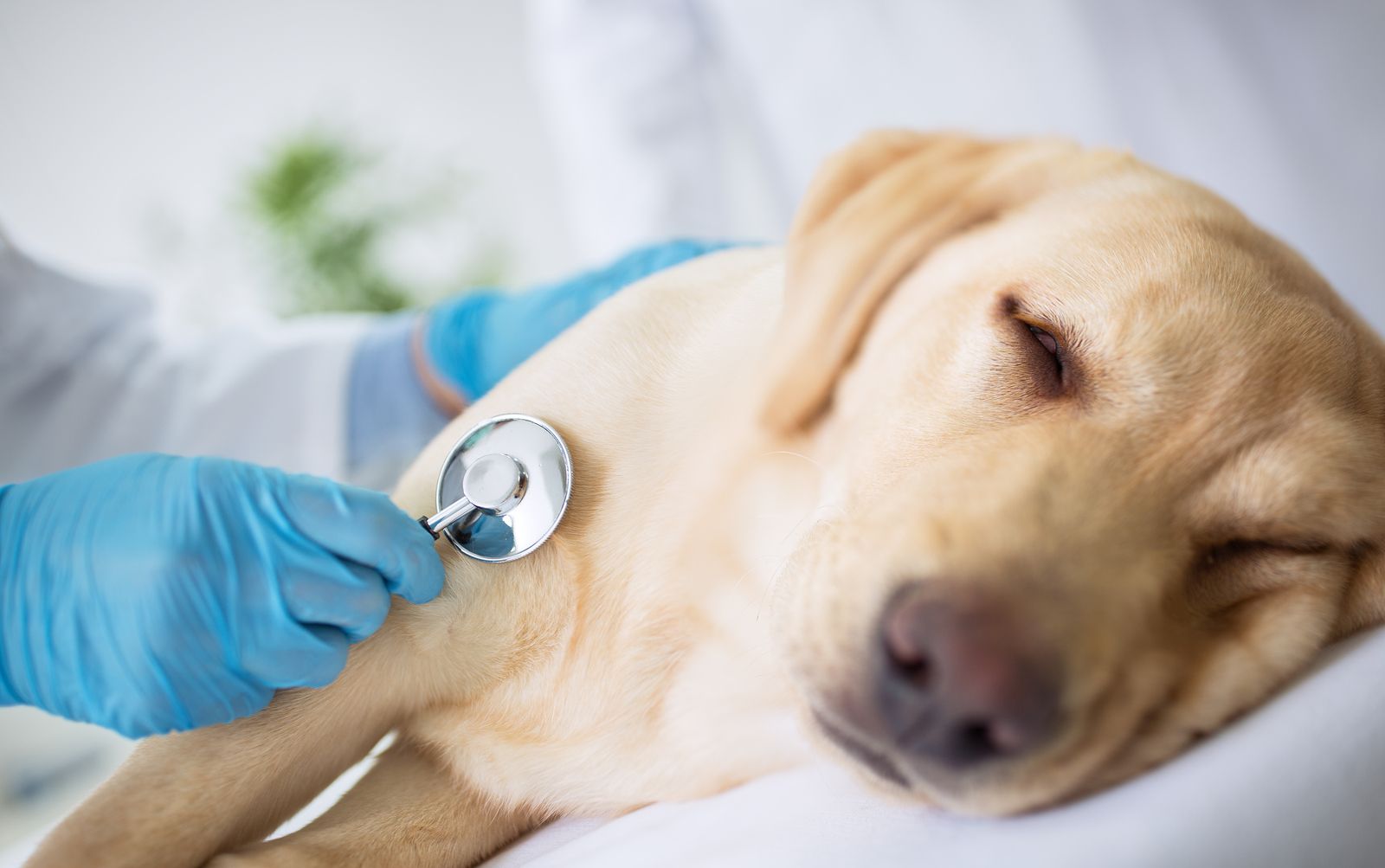
Dogs cannot tell us when they are feeling unwell, which is why pet owners need to recognise early warning signs of illness. A change in your dog’s behaviour, appetite, or physical appearance can often indicate that something is wrong. Paying close attention to these signs allows you to seek timely veterinary care and prevent minor issues from becoming serious health problems.
If you are worried that your dog might be sick, there are several symptoms you can watch for. This article highlights some of the most common signs of illness in dogs and explains what they may indicate. Whether your dog is vomiting, experiencing digestive problems, losing hair, or acting differently than usual, understanding these symptoms can help you respond quickly and protect your dog’s well-being.
Vomiting
If your dog is vomiting, it can be distressing for both you and your pet. Occasional vomiting may not be cause for concern, especially if your dog otherwise appears healthy and energetic. However, repeated or persistent vomiting is often a sign that something more serious is going on and should not be ignored.
There are many possible causes of ongoing vomiting. These include hairballs, eating too much food too quickly, consuming table scraps, swallowing foreign objects, or ingesting spoiled food or toxins. Vomiting can also be linked to medical conditions such as bacterial infections like leptospirosis, pancreatitis, gall bladder stones, or intestinal blockages. If vomiting continues for more than a day, is accompanied by lethargy, blood, or dehydration, veterinary attention is essential.
Hair Loss
Hair loss in dogs can occur for several reasons and should always be monitored carefully. Common causes include poor nutrition, stress, hormonal imbalances, allergic reactions, and parasites such as fleas and ticks. Excessive shedding or bald patches can sometimes indicate underlying skin conditions or internal health issues.
In many cases, hair loss may simply mean your dog needs more frequent or professional grooming. You can easily find pet grooming in Arizona or in your local area to help assess whether grooming habits, seasonal shedding, or coat care are contributing factors. Environmental changes, diet, or allergies can also affect your dog’s coat condition.
If you notice that your dog is losing hair at an unusual rate, it is essential to take them to the veterinarian for a check-up.
Diarrhea
Diarrhea is another common sign that your dog may be unwell. Like vomiting, it can have many causes, including dietary indiscretion, bacterial or viral infections, parasites, stress, or food sensitivities. Mild cases may resolve on their own, but persistent diarrhea can quickly lead to dehydration and weakness.
If your dog experiences diarrhea lasting more than two days, appears lethargic, or has blood or mucus in their stool, it is important to visit a veterinarian. Prompt diagnosis helps identify the underlying cause and ensures your dog receives the appropriate treatment to recover safely.
Loss of Appetite
A sudden loss of appetite is often one of the first signs that a dog is not feeling well. If your dog is normally eager to eat but suddenly doesn’t want to eat, it may indicate illness, pain, or emotional distress. Changes in eating habits should always be taken seriously, especially if they persist for more than a day.
Loss of appetite in dogs can be caused by factors such as stress, dental problems, infections, or digestive issues. Other underlying conditions, including joint pain or arthritis, can also lead to lethargy and reduced interest in food. If you suspect joint-related discomfort is affecting your dog, you can look up “Dog arthritis treatment near me” to find options that help restore mobility and improve overall well-being.
Other potential causes of appetite loss include fever, nausea, oral pain, or chronic conditions that affect digestion or metabolism. If your dog refuses food for more than 24 hours or shows additional symptoms, contacting a veterinarian is strongly recommended.
Lethargy
Lethargy is another clear indicator that your dog may be unwell. If your normally energetic and playful dog suddenly seems tired, uninterested in activities, or reluctant to move, this change should not be overlooked. Lethargy can be linked to infections, pain, injury, dehydration, or more serious conditions such as organ disease or tumors.
A veterinarian can perform diagnostic tests to determine the cause of lethargy and recommend appropriate treatment. Early intervention is key to preventing further complications and helping your dog regain their normal energy levels.
These are some of the most common signs that your dog may be ill. While occasional symptoms can be mild or temporary, persistent or worsening signs should always be evaluated by a veterinarian. By staying attentive to changes in your dog’s behaviour and physical health, you can ensure they receive timely care and return to feeling happy and healthy as quickly as possible.
